
Local honey in the North West
Lakeland fells, the heather of Bowland, Cheshire pasture and busy city parks. Buy local honey in the North West straight from the beekeeper, and taste what bees can make between the mountains and the sea.
Between the fells and the sea
The North West runs from the Scottish border to the Cheshire plain, with mountains, moors, farmland, coast and some of England's biggest cities in between. Honey here is as varied as the landscape.
Fell and moor
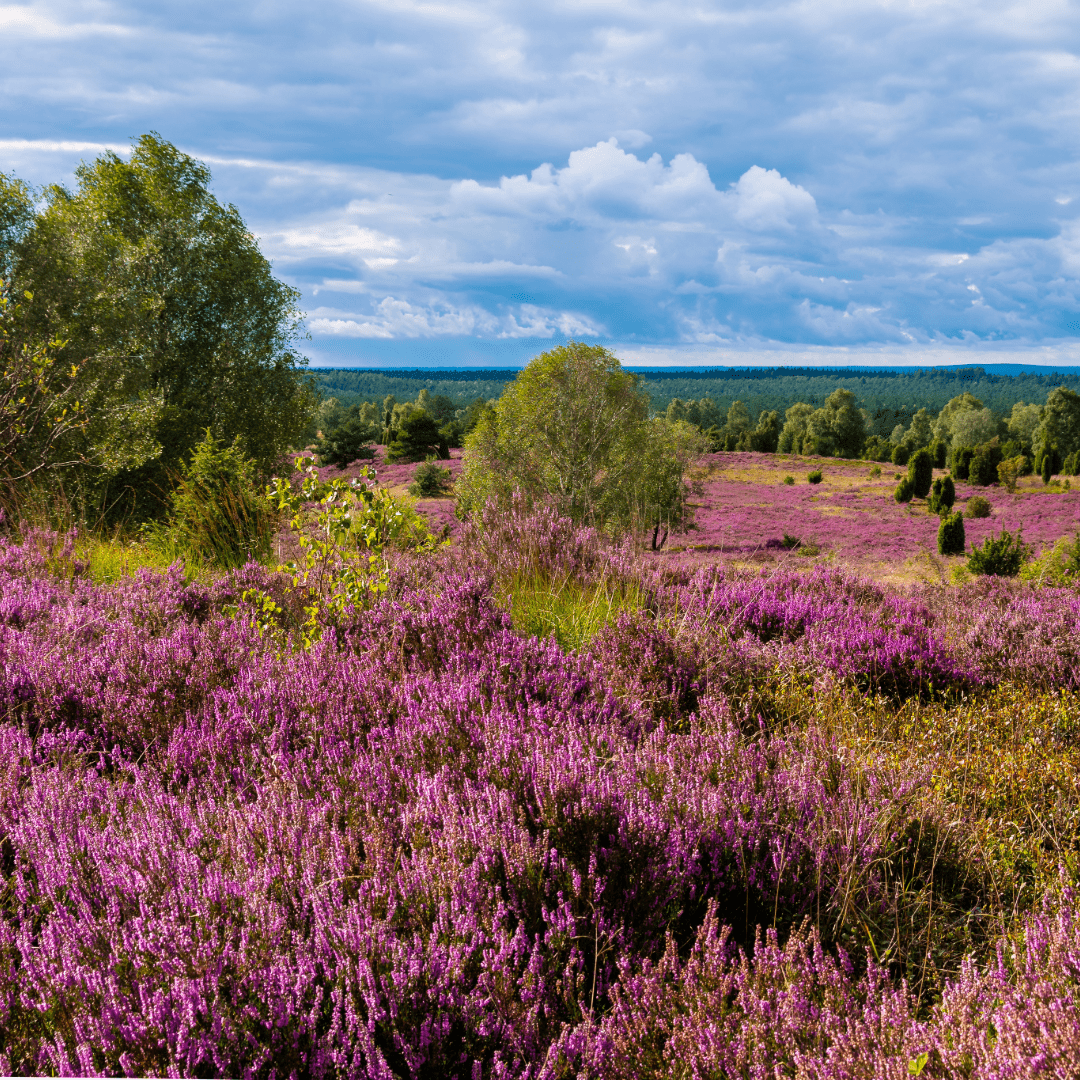
The Lake District fells, the Forest of Bowland and the North Pennines carry heather that flowers in late summer. Bell heather comes first, then ling in August, for beekeepers willing to take their hives up.
Valleys and farmland
The Eden Valley, the Fylde and the Cheshire plain are green, grazing country. Hawthorn and sycamore give a strong start in spring, and clover and bramble carry bees through the summer.
Limestone and coast
Around Morecambe Bay and Arnside and Silverdale, limestone grassland and woodland are rich in wildflowers. Along the coast, salt marsh and dunes add their own late summer flowers.
Towns and cities
Urban beekeepers in Manchester, Liverpool, Preston and Carlisle do well on parks, gardens, lime trees and railway banks. Along the rivers, Himalayan balsam gives a late, pale honey.
Honey from the wetter west
The North West gets more rain than most of England, and bees don't fly in the wet. That means fewer foraging days and smaller crops than beekeepers further east might expect, so every jar here is hard won.
It also means the honey tends to come from what grows well in a damp, green landscape. Sycamore and hawthorn in spring, clover and bramble in summer, then heather on the high ground and balsam in the valleys to finish the year.
The North West honey year
Most local beekeepers take honey off a couple of times a season, so what you can buy changes as the year goes on.
Spring honey
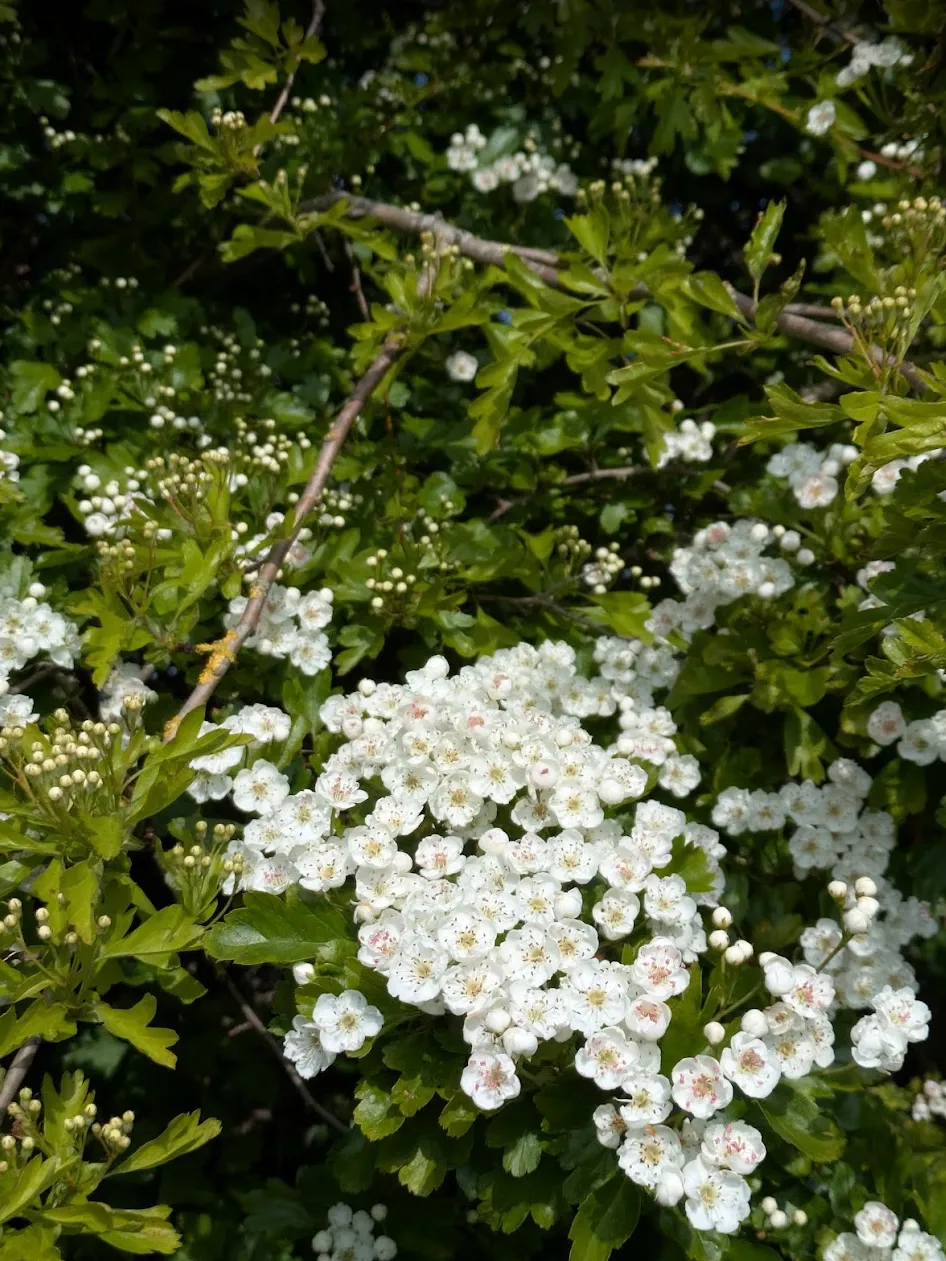
Sycamore, hawthorn, blossom and some oilseed rape. Often sold soft set, as it can crystallise quickly.
Summer honey
Clover, bramble, lime and wildflowers. Golden, runny and full of flavour when the weather allows.
Heather and balsam
Ling heather on the fells and moors, and Himalayan balsam along the river valleys.
Late season
Ivy, and not much else. Most beekeepers leave it for the bees to see them through winter.
North West beekeepers on Local Honey UK
Every beekeeper here has made the Local Honey Promise. Get in touch with them before you travel, as local honey often sells out.
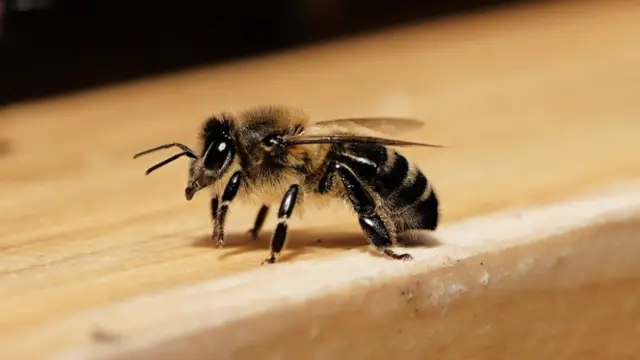 Fell heather
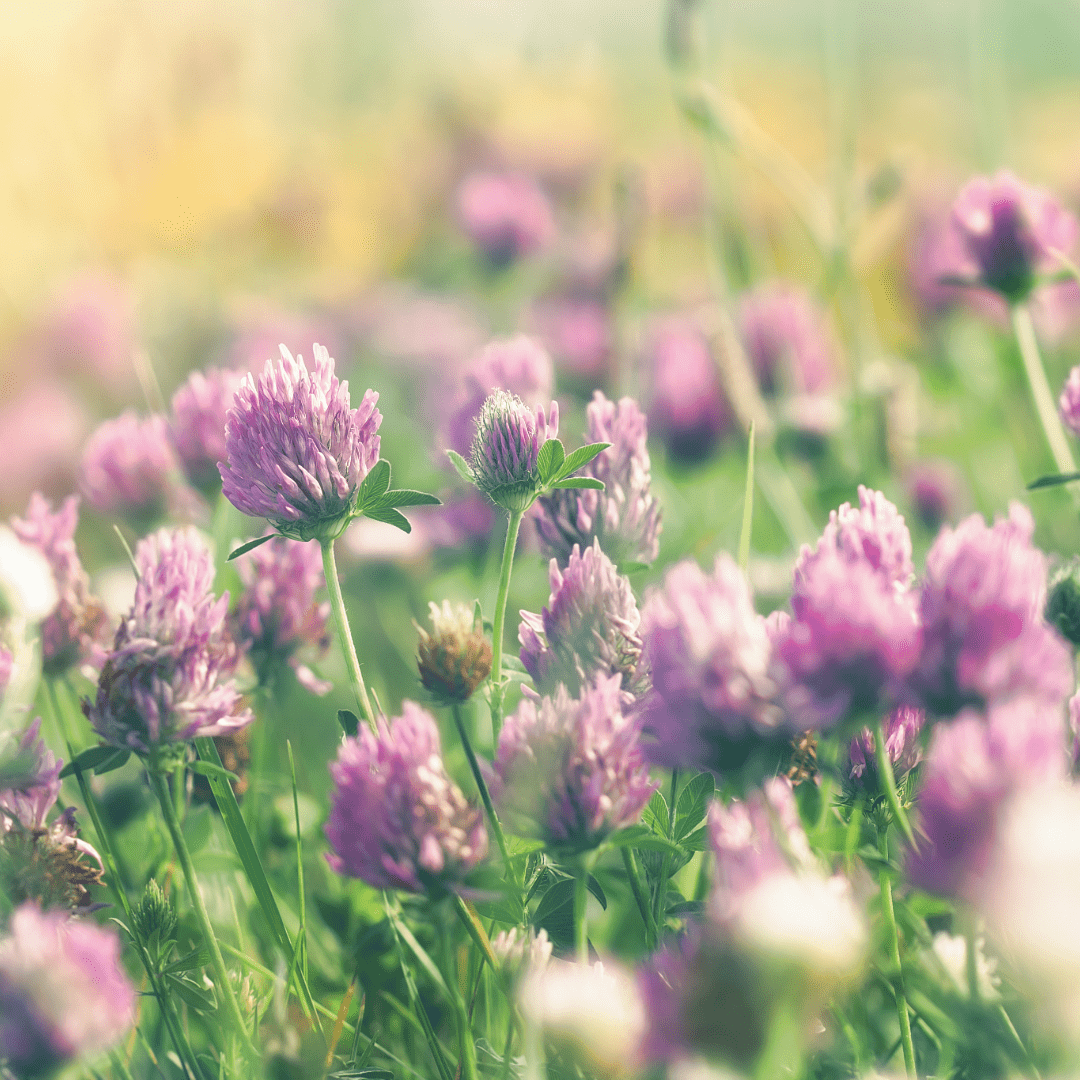 Pasture clover
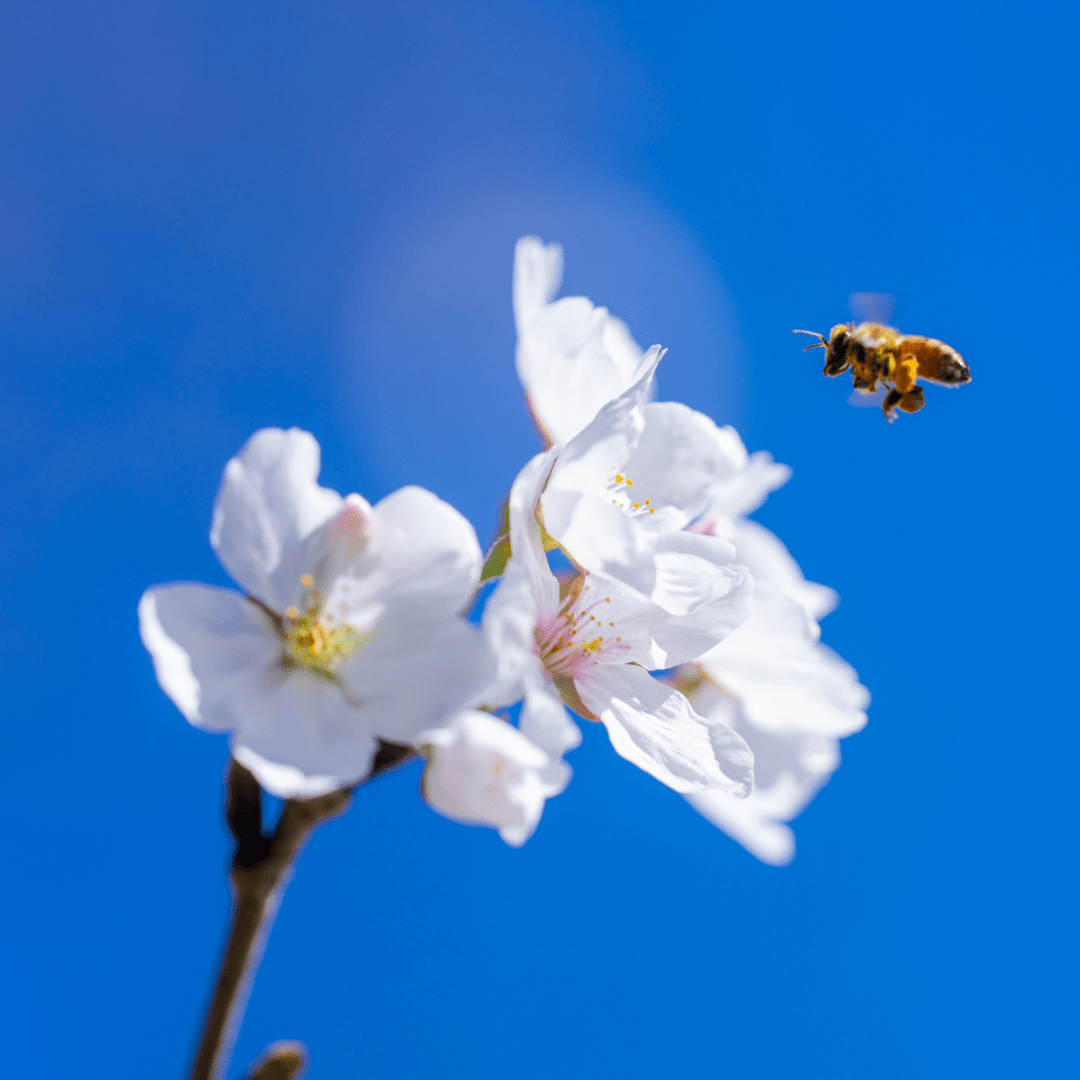 Spring blossom
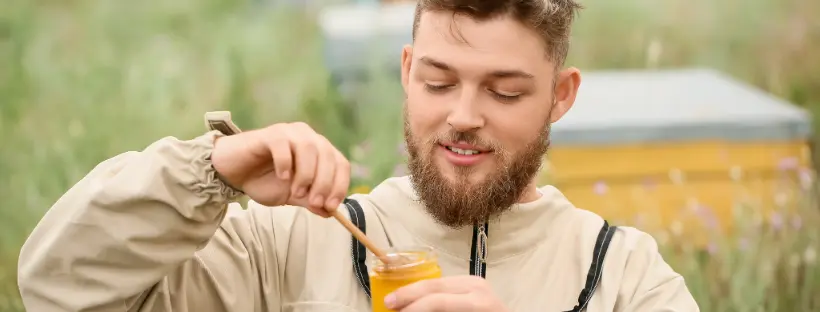
Getting the real thing in the North West
Plenty of honey in shops is labelled with a local-sounding name, and not all of it is. The surest bet is buying from the beekeeper, at farmers' markets, farm shops, honesty boxes at the farm gate, or at county shows, where beekeepers' associations often run a honey stall.
Local honey in the North West: common questions
Where can I buy local honey in the North West?
Buying straight from a beekeeper is the best way to know where your honey comes from. As well as the listings above, try farmers' markets, farm shops, honesty boxes and local shows.
What is balsam honey?
Himalayan balsam is an invasive plant that grows along North West rivers and flowers from midsummer into autumn. Bees love it, and it gives a pale, gentle late-season honey.
Can you get heather honey in the North West?
Yes. Heather flowers on the Lake District fells, the Forest of Bowland and the North Pennines in late summer. It's a small crop, so ask early in the autumn.
Does local honey help with hay fever?
Plenty of people swear by it, but there isn't strong evidence that it works. Most hay fever is caused by wind-blown grass and tree pollen, not the flowers bees visit. Speak to a pharmacist or GP about hay fever, and buy honey because it's delicious.
Keep bees in the North West? Get listed
We're building the best place to find genuine local honey across the North West, and we'd love you to be part of it. Listing is free. All we ask is that you make the Local Honey Promise.