
Local honey in the South West
Flower-covered Devon banks, cider orchards, open moorland and a coastline that barely sees a frost. Buy local honey in the South West straight from the beekeeper, and taste the difference a mild climate makes.
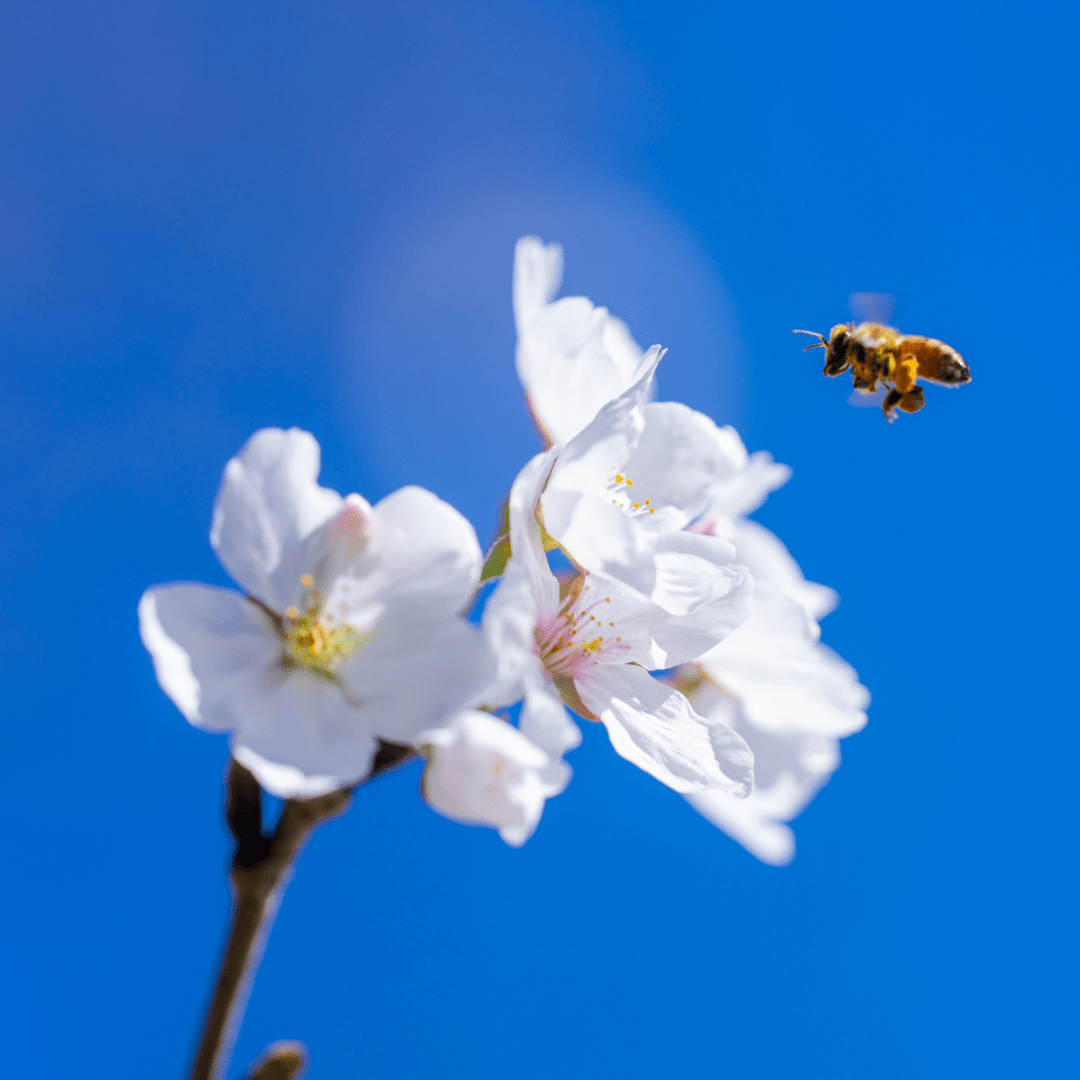
Moor, hedge, orchard and coast
The South West stretches from the Cotswolds to Land's End. Its mild, damp weather and patchwork of small fields make it one of the richest parts of England for flowers, and for bees.
Hedgebanks and pasture
Devon and Cornwall's old hedgebanks are packed with wildflowers, bramble and blackthorn. Surrounding dairy pasture adds plenty of clover, giving the region's classic summer honey.
Orchards and farmland
Somerset's cider orchards burst into blossom in spring, and farmland across the region adds oilseed rape, field beans and hawthorn to the early season.
Moorland
Dartmoor, Exmoor and Bodmin Moor carry heather that flowers in late summer, with bell heather first and ling to follow. Beekeepers nearby can produce a small crop of dark heather honey.
Downs, hills and coast
Salisbury Plain, the Dorset downs, the Mendips and the Cotswolds hold rich chalk and limestone grassland. Along the coast, cliff-top flowers and mild weather keep bees busy well into autumn.
A long, mild season
The South West is the mildest part of England. Bees here can start foraging earlier in spring and keep going later into autumn, and on a sunny winter's day in Cornwall you'll often see them out on the ivy and gorse.
It's also home to some important work on native bees. In Cornwall, the B4 Project works to conserve the native dark honey bee, which is well suited to the damp, changeable western weather.
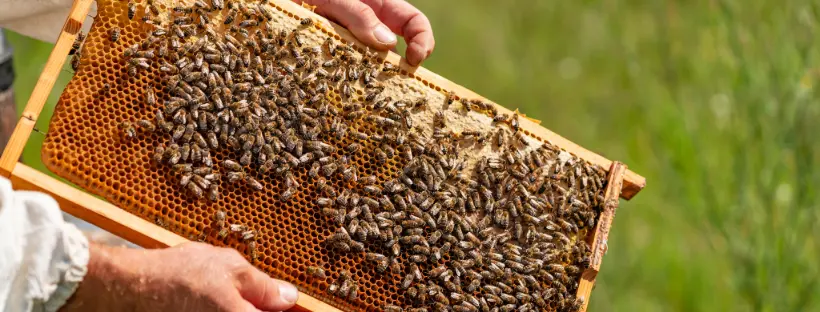
The South West honey year
Most local beekeepers take honey off a couple of times a season, so what you can buy changes as the year goes on.
Spring honey
Willow, blackthorn, orchard blossom, oilseed rape and hawthorn. Often sold soft set.
Summer honey
Clover, bramble, lime and hedgerow wildflowers. Golden, runny and full of flavour.
Moorland heather
Heather on Dartmoor, Exmoor and Bodmin Moor. A small, dark and much sought-after crop.
Late season
Ivy flowers well in the mild South West. Most is left for the bees to see them through winter.
South West beekeepers on Local Honey UK
Every beekeeper here has made the Local Honey Promise. Get in touch with them before you travel, as local honey often sells out.
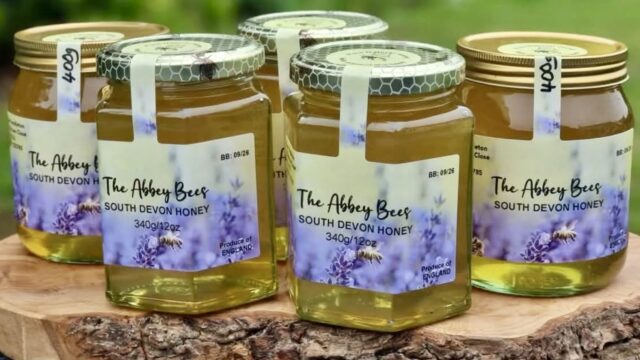
The Abbey Bee Hives
- Marlowe Close, Shiphay, Torquay, Torbay, Devon and Torbay, England, TQ2 6DQ, United Kingdom
- 07812099889
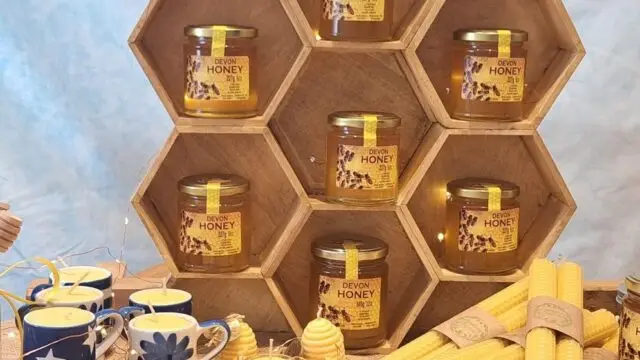
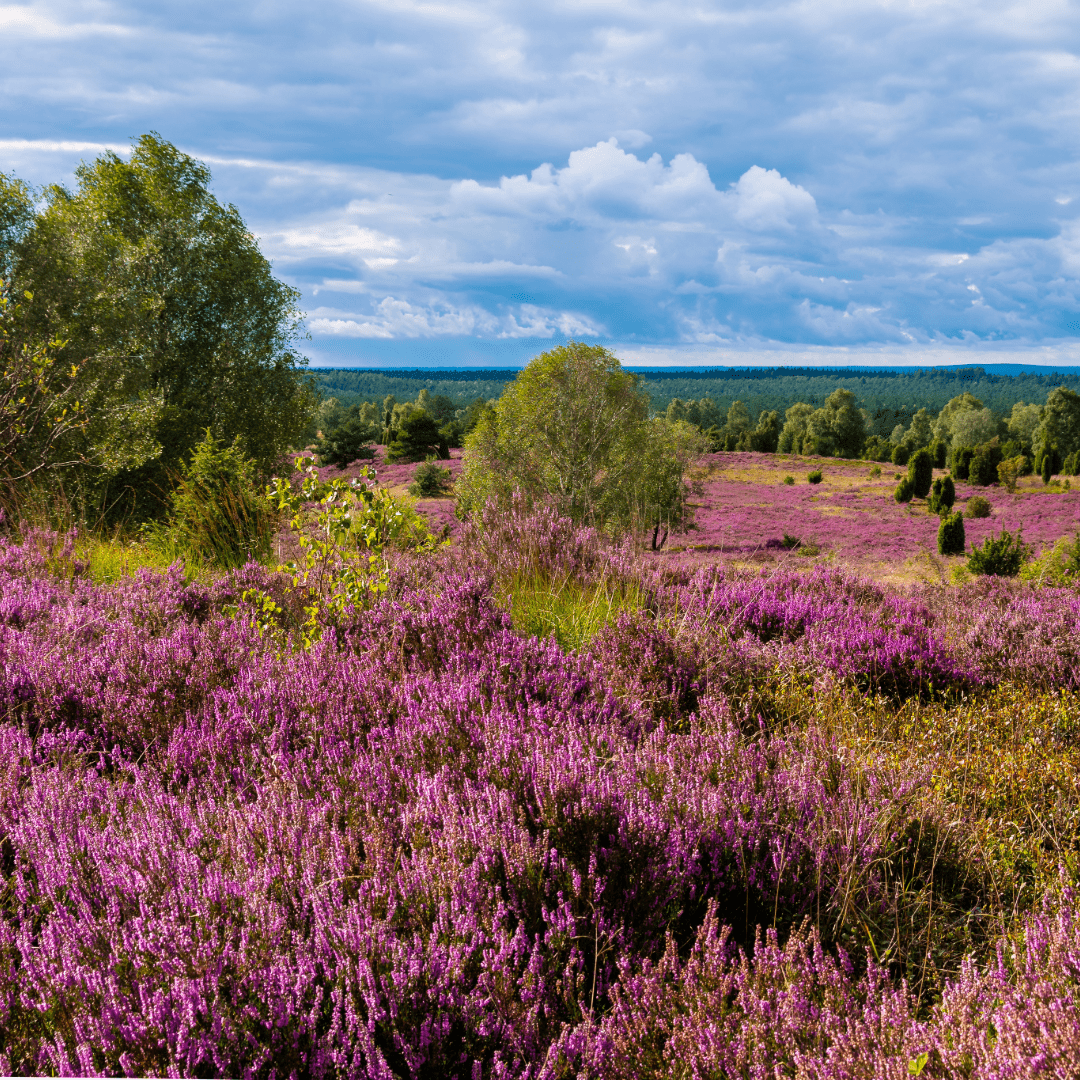 Moorland heather
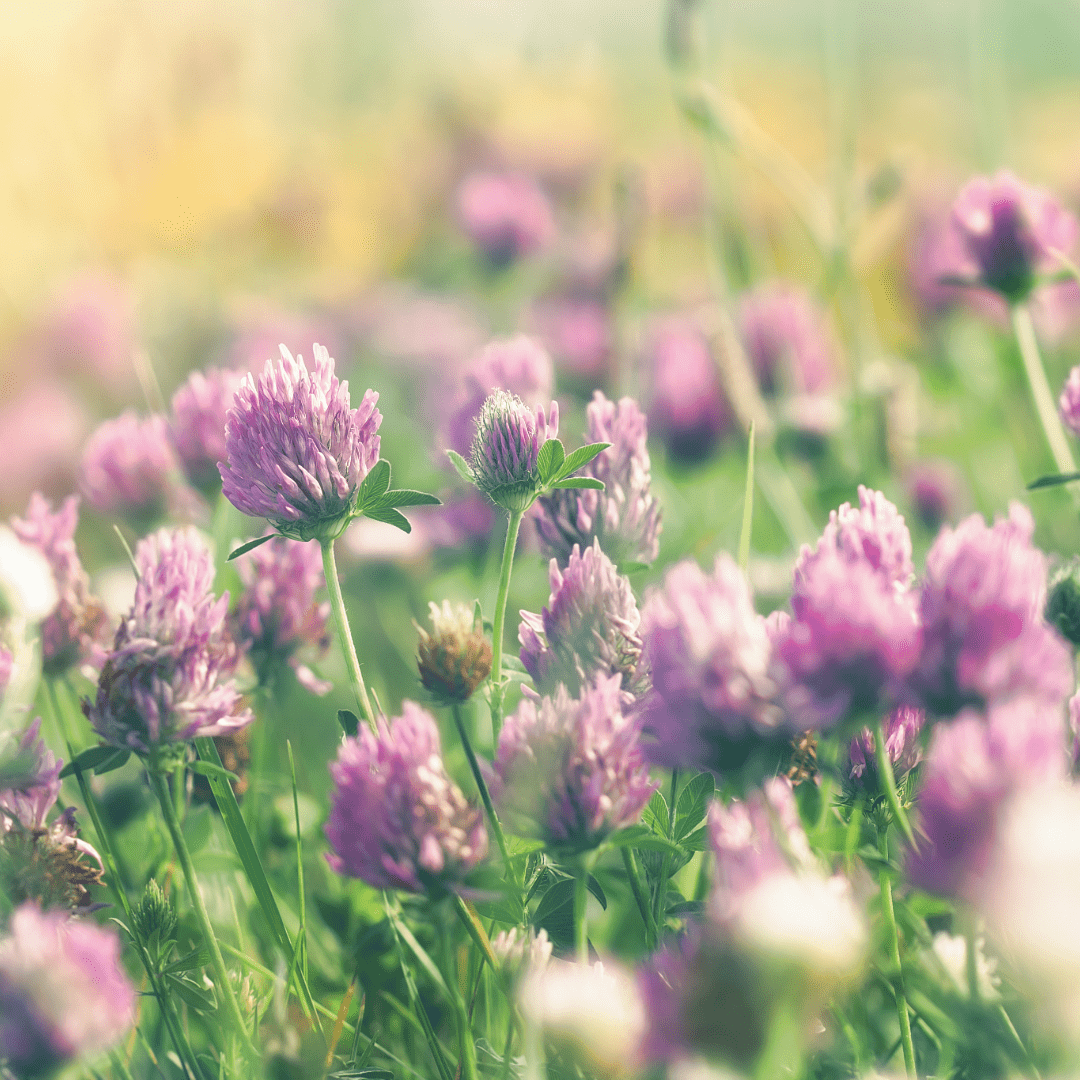 Hedgebank clover
Orchard blossom
Hedgebank clover
Orchard blossom
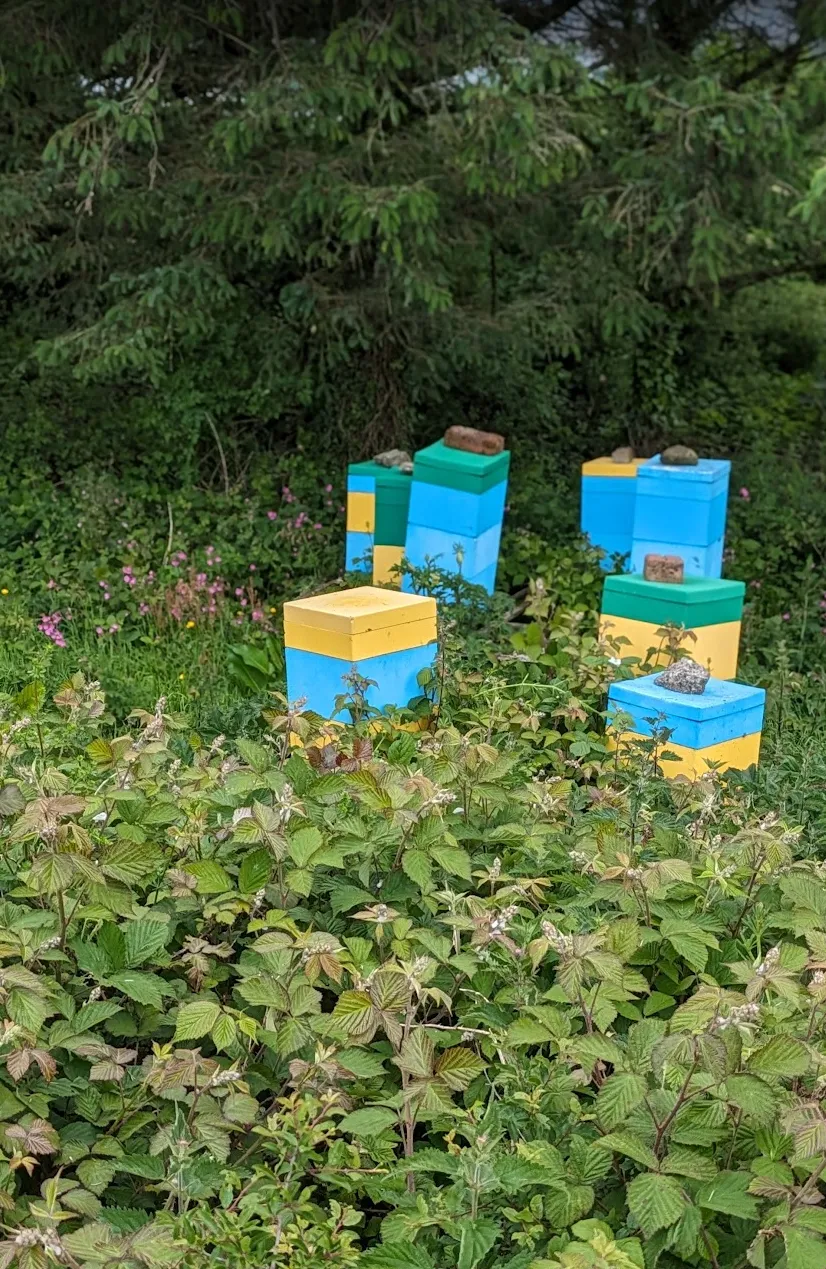
Getting the real thing in the South West
Plenty of honey in shops is labelled with a local-sounding name, and not all of it is. The surest bet is buying from the beekeeper, at farmers' markets, farm shops, honesty boxes at the farm gate, or at county shows, where beekeepers' associations often run a honey stall.
Local honey in the South West: common questions
Where can I buy local honey in the South West?
Buying straight from a beekeeper is the best way to know where your honey comes from. As well as the listings above, try farmers' markets, farm shops, honesty boxes and local shows.
What is the native black honey bee?
It's the dark honey bee that was once native across Britain, well suited to cool, damp weather. Projects like B4 in Cornwall work to conserve it and encourage locally adapted bees.
Can you get heather honey in the South West?
Yes, in small amounts. Heather flowers on Dartmoor, Exmoor and Bodmin Moor in late summer. It's a small crop, so ask early in the autumn.
Does local honey help with hay fever?
Plenty of people swear by it, but there isn't strong evidence that it works. Most hay fever is caused by wind-blown grass and tree pollen, not the flowers bees visit. Speak to a pharmacist or GP about hay fever, and buy honey because it's delicious.
Keep bees in the South West? Get listed
We're building the best place to find genuine local honey across the South West, and we'd love you to be part of it. Listing is free. All we ask is that you make the Local Honey Promise.