
Local honey in the East Midlands
Big Lincolnshire skies, the Wolds, Sherwood Forest and the moors of the Peak District. Buy local honey in the East Midlands straight from the beekeeper, and find out what grows around their hives.
Farmland, forest and peak
The East Midlands runs from the flat fields of Lincolnshire to the hills of Derbyshire. That makes for honey ranging from pale and creamy to dark and strong, sometimes within a single county.
Arable farmland
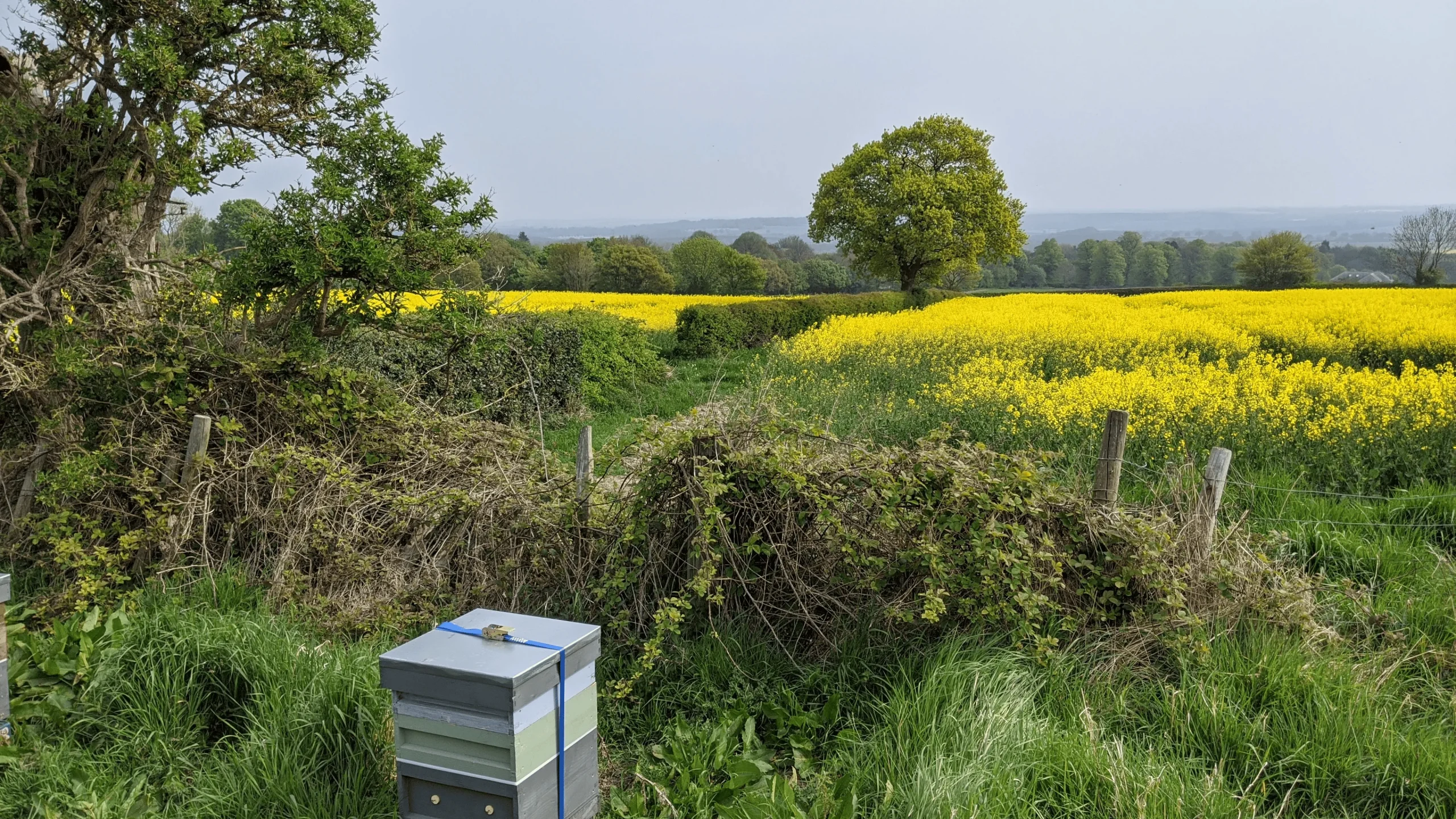
Lincolnshire and much of the region is prime farming country. Oilseed rape turns the fields yellow in spring, and field beans follow in early summer, giving bees two big flows if the weather plays along.
Wolds and hedgerows
The Lincolnshire Wolds and the region's older field boundaries hold hawthorn, blackthorn, bramble and clover. Bees here tend to make a more mixed, fragrant summer honey.
Forest and heath
Sherwood Forest, Rockingham Forest and scattered heathland offer sweet chestnut, lime, willowherb and a little heather, adding depth to honey from nearby apiaries.
The Peak District
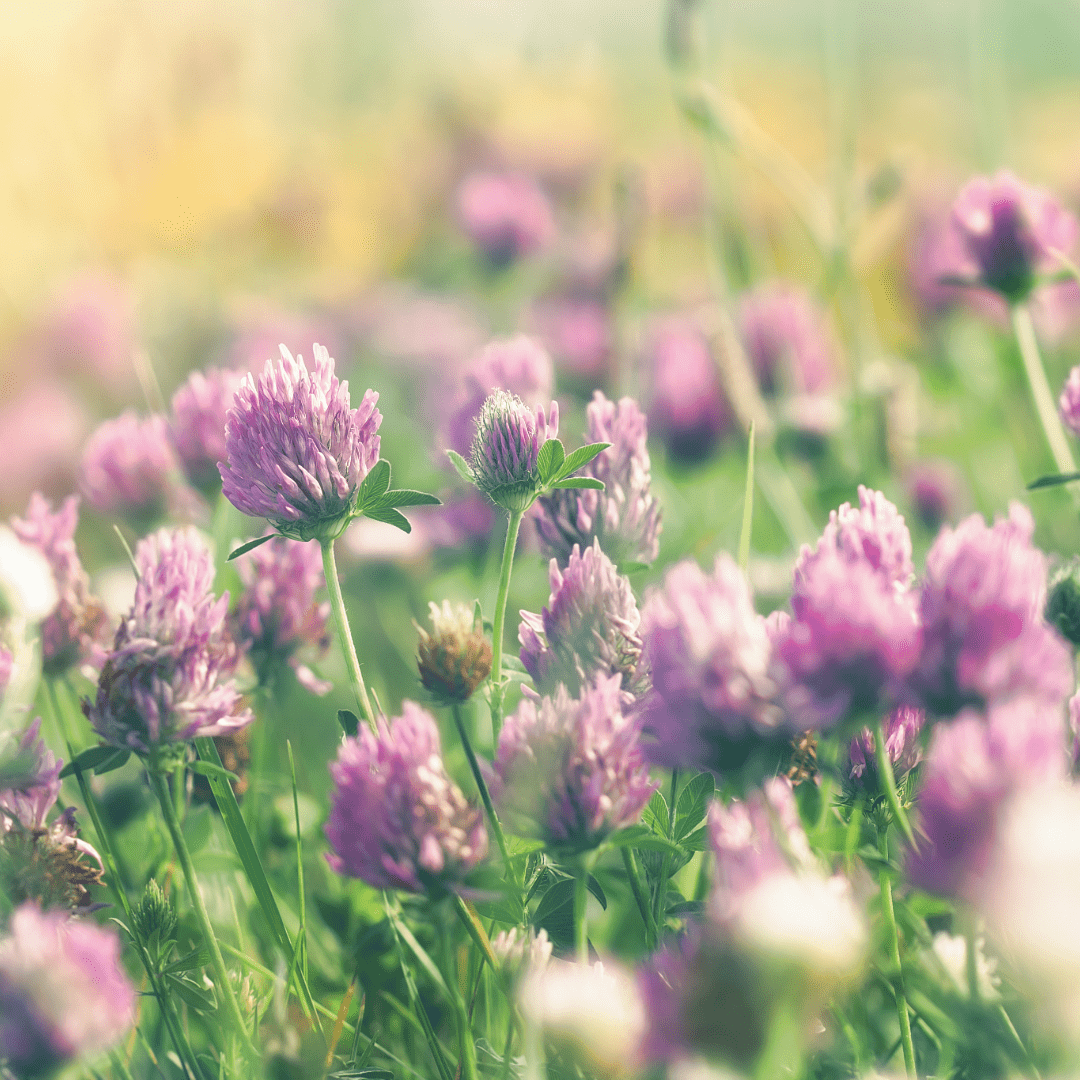
In Derbyshire, the Dark Peak moors flower purple in August and give true heather honey. The limestone dales of the White Peak are home to wildflower meadows full of clover and trefoil.
Spring honey and set honey
With so much oilseed rape grown here, spring honey is a big part of the year. It's pale and mild, and it sets very quickly, sometimes within days of coming off the hive. Beekeepers have to extract it fast, then often stir it into a smooth, spreadable soft set honey.
If your jar of East Midlands honey is thick and creamy rather than runny, that's why. Nothing's been added and nothing's wrong with it. Warm it gently if you'd rather it poured.
The East Midlands honey year
Most local beekeepers take honey off a couple of times a season, so what you can buy changes as the year goes on.
Spring honey
Oilseed rape, blossom, hawthorn and sycamore. Usually sold soft set, as it crystallises quickly.
Summer honey
Field beans, clover, lime and bramble. Golden, fuller flavoured and often runny.
Heather and late summer
Heather on the Peak District moors, and Himalayan balsam along the river valleys.
Late season
Ivy, and not much else. Most beekeepers leave it for the bees to see them through winter.
East Midlands beekeepers on Local Honey UK
Every beekeeper here has made the Local Honey Promise. Get in touch with them before you travel, as local honey often sells out.
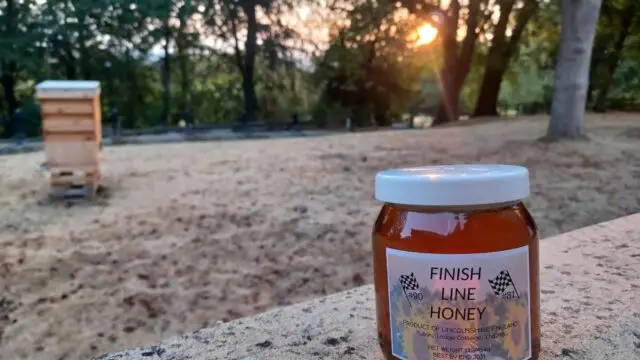
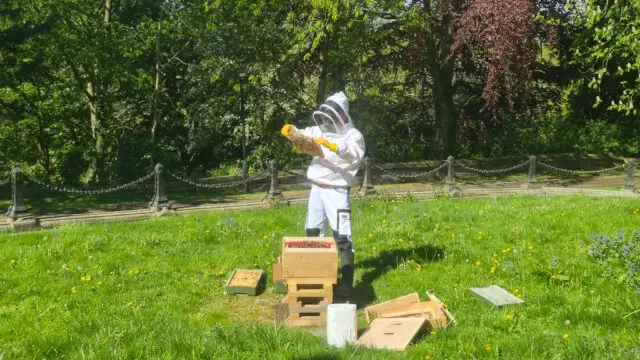
Finish Line Honey
- Middle Street, Burton CP, West Lindsey, Lincolnshire, Greater Lincolnshire, England, LN1 2RB, United Kingdom
- 07803634273
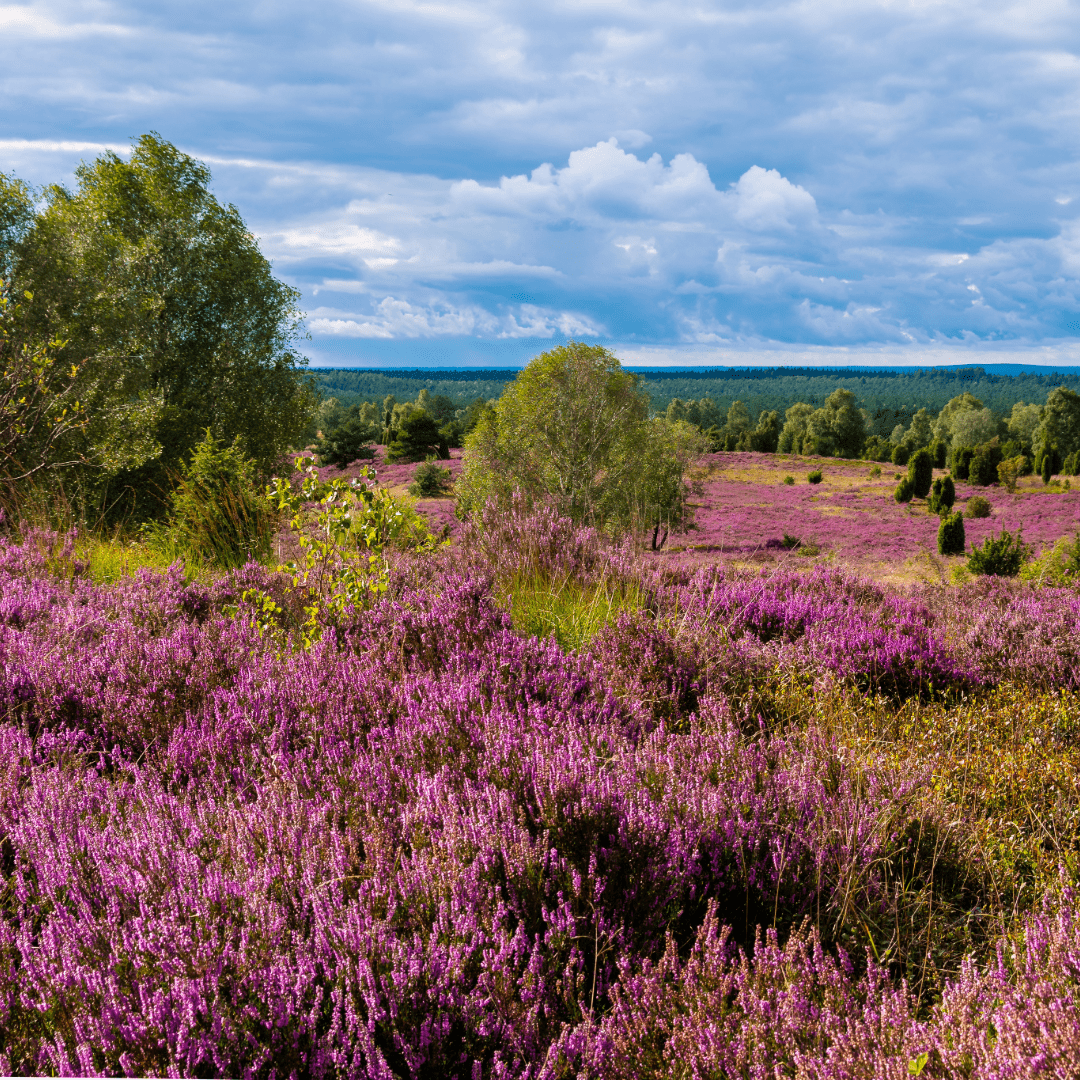 Peak District heather
Meadow clover
Peak District heather
Meadow clover
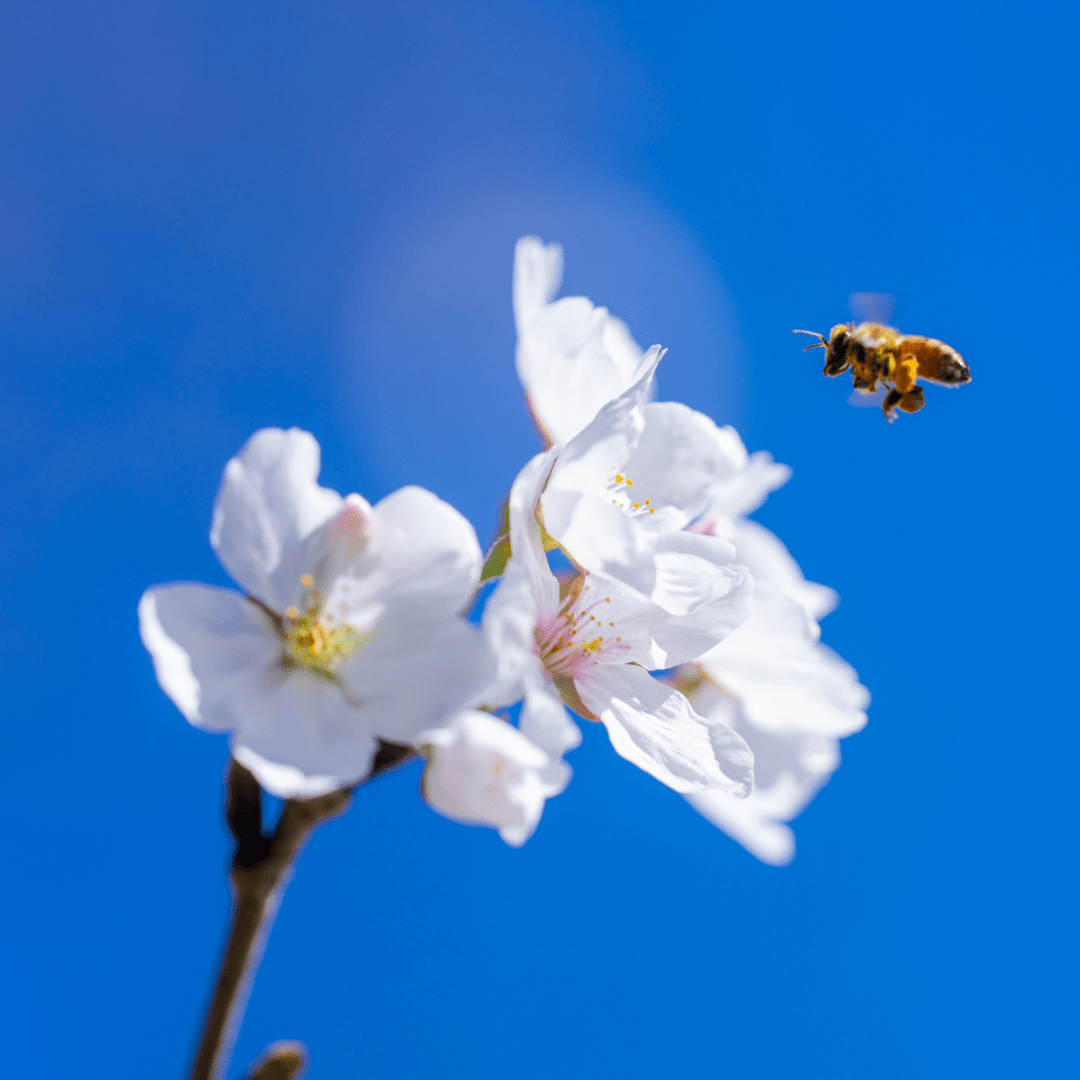 Spring blossom
Getting the real thing in the East Midlands
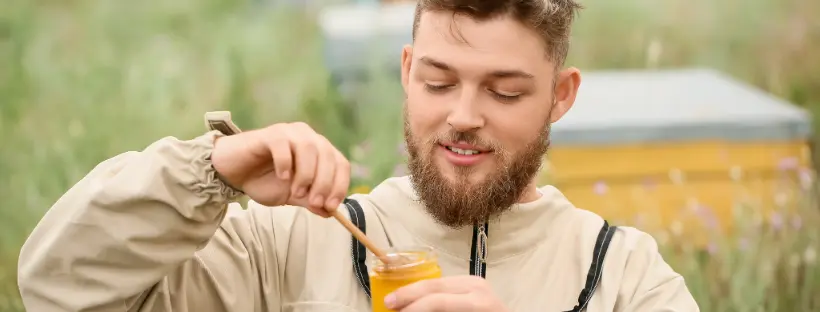
Plenty of honey in shops is labelled with a local-sounding name, and not all of it is. The surest bet is buying from the beekeeper, at farmers' markets, farm shops, honesty boxes at the farm gate, or at county shows, where beekeepers' associations often run a honey stall.
Local honey in the East Midlands: common questions
Where can I buy local honey in the East Midlands?
Buying straight from a beekeeper is the best way to know where your honey comes from. As well as the listings above, try farmers' markets, farm shops, honesty boxes and local shows.
Why has my local honey gone solid?
All real honey crystallises in time, and oilseed rape honey does it very quickly. It's natural, and a good sign the honey hasn't been heavily processed. Stand the jar in warm water to make it runny again.
Can you get heather honey in the East Midlands?
Yes. The Dark Peak moors in Derbyshire flower in August, and beekeepers who take their hives up can make heather honey. It's a small crop, so ask early in the autumn.
Does local honey help with hay fever?
Plenty of people swear by it, but there isn't strong evidence that it works. Most hay fever is caused by wind-blown grass and tree pollen, not the flowers bees visit. Speak to a pharmacist or GP about hay fever, and buy honey because it's delicious.
Keep bees in the East Midlands? Get listed
We're building the best place to find genuine local honey across the East Midlands, and we'd love you to be part of it. Listing is free. All we ask is that you make the Local Honey Promise.