
Local honey in the North East
Northumberland's heather hills, the high dales of the North Pennines, a wild coastline and allotments by the thousand. Buy local honey in the North East straight from the beekeeper, and taste what a short northern summer can do.

Hills, dales, coast and city
The North East packs open moorland, farmland, a long coastline and busy towns into a small area. Beekeepers here work with a short season and changeable weather, and the honey has real character as a result.
Moor and hill
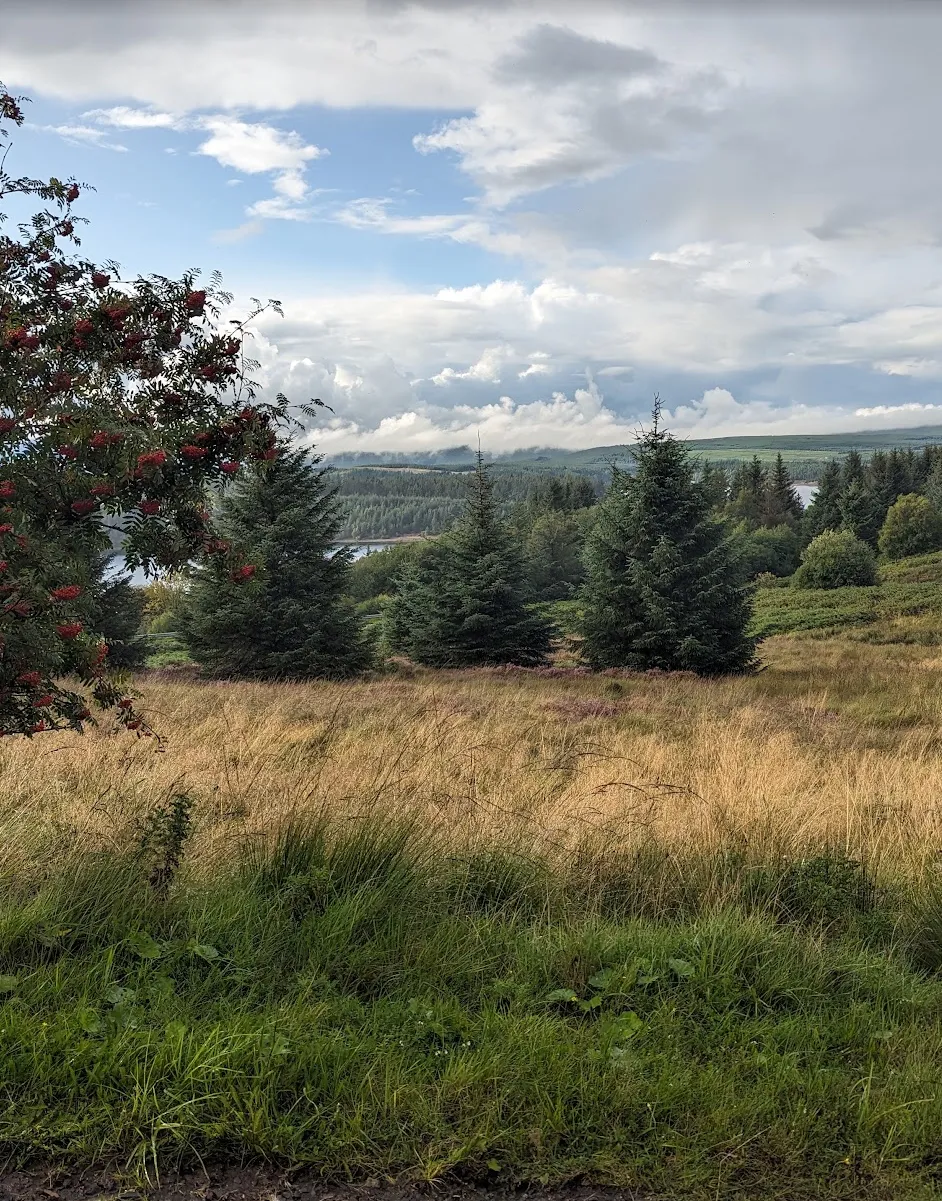
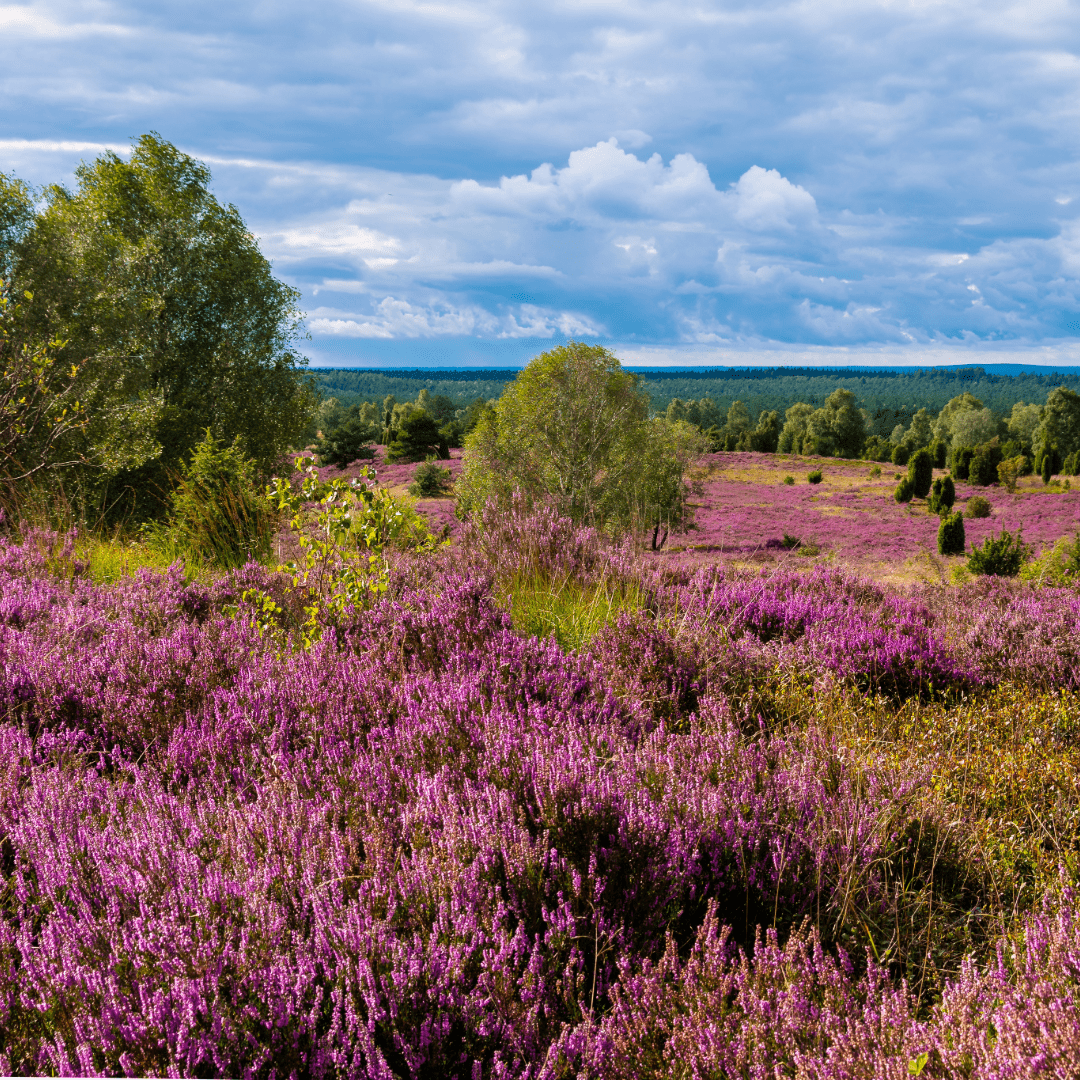
The North Pennines, the Cheviots and Northumberland's upland moors turn purple in August. Beekeepers take their hives up to the heather for one of the most prized crops in the country.
Dales and farmland
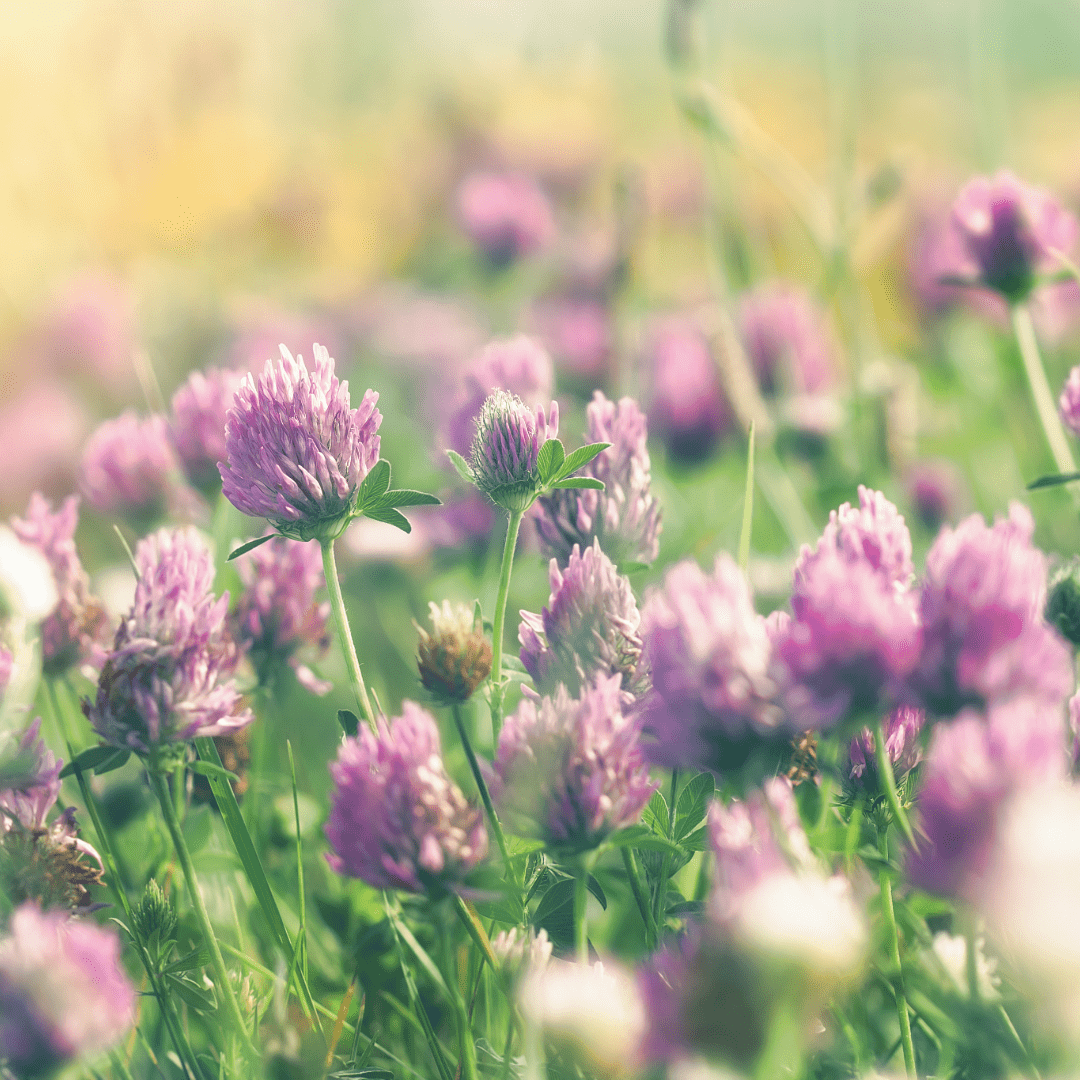
Weardale, Teesdale and the lowland farms of Durham and Northumberland offer sycamore, hawthorn and oilseed rape in spring, then clover, bramble and hay meadow flowers in summer.
The coast
The Northumberland coast and the Durham Heritage Coast hold dunes, clifftops and magnesian limestone grassland, full of wildflowers from early summer onwards.
Towns and allotments
Newcastle, Durham, Sunderland and Teesside have a proud allotment tradition, plus parks, gardens and lime trees. Along the Tyne, Wear and Tees, Himalayan balsam adds a late summer flow.
Northumberland heather honey
Heather honey from the North East's moors is dark, strongly flavoured and, in the case of ling, thick enough to stand a spoon in. It won't spin out of the comb like other honey, so it's pressed or sold as cut comb.
It's never an easy crop. Hives have to be carried up to the moor in August, and a cold, wet month on the hills can leave beekeepers with almost nothing to show for it. That's why it costs more, and why it rarely lasts long once it's jarred.
The North East honey year
The season starts later and finishes sooner than further south, so what you can buy depends a lot on the weather.
Spring honey
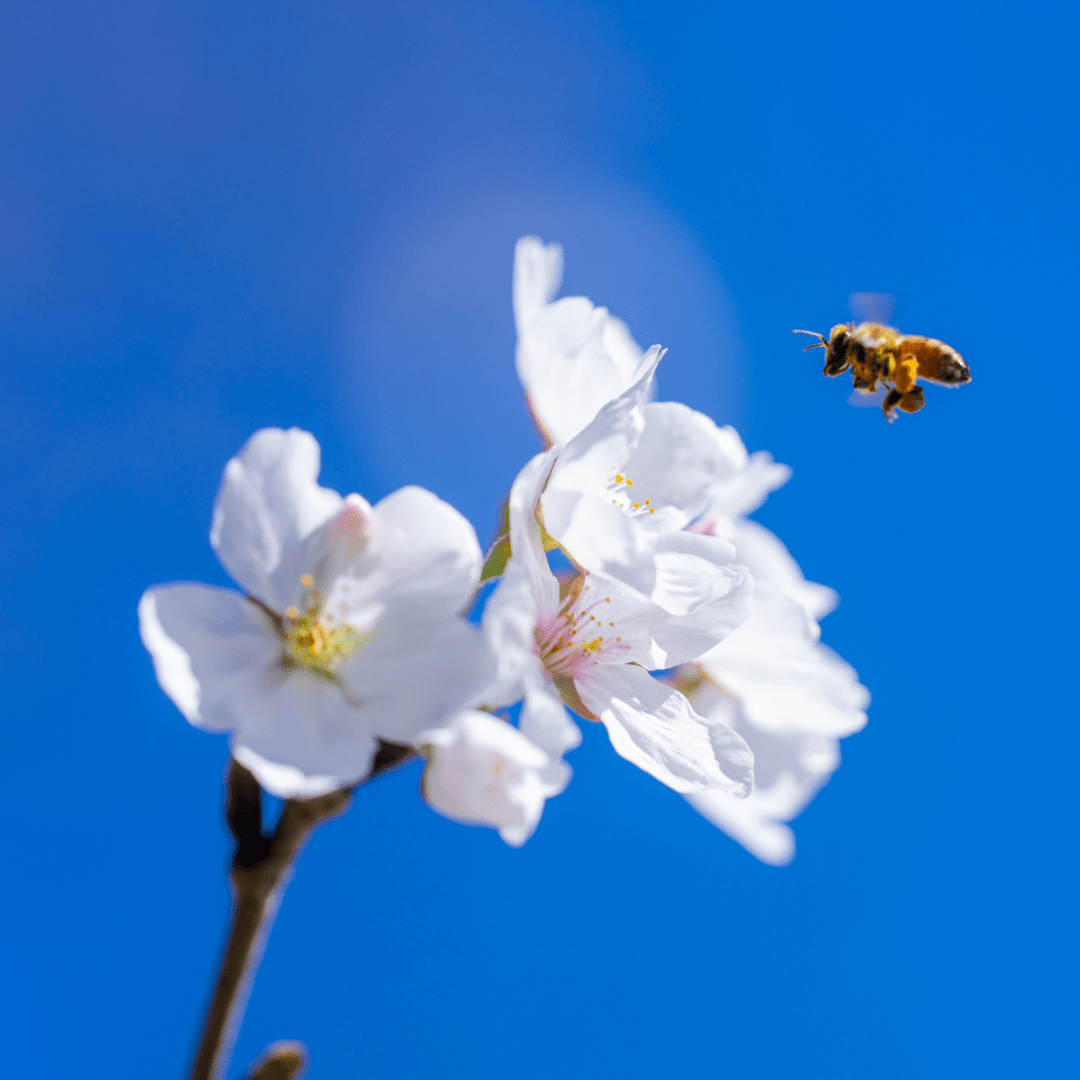
Sycamore, hawthorn, blossom and oilseed rape. Often sold soft set, as it crystallises quickly.
Summer honey
Clover, bramble, lime and hay meadow flowers. Golden and runny when the summer is kind.
Heather
The moorland crop, for beekeepers who take their bees up. The one everyone waits for.
Season's end
Balsam along the rivers and the last of the heather, then the bees settle in for winter.
North East beekeepers on Local Honey UK
Every beekeeper here has made the Local Honey Promise. We're still growing our list for the North East, so if you keep bees here, we'd love to add you.
 Moorland heather
 Hay meadow clover
 Spring blossom

Getting the real thing in the North East
Plenty of honey in shops is labelled with a local-sounding name, and not all of it is. The surest bet is buying from the beekeeper, at farmers' markets, farm shops, honesty boxes at the farm gate, or at county shows, where beekeepers' associations often run a honey stall.
Local honey in the North East: common questions
Where can I buy local honey in the North East?
Buying straight from a beekeeper is the best way to know where your honey comes from. As well as the listings above, try farmers' markets, farm shops, honesty boxes and local shows.
Why does North East honey vary so much from year to year?
The northern season is short, and bees can't forage in cold, wet or windy weather. A bad spell at the wrong time, especially in August, can cut a crop dramatically.
When is Northumberland heather honey available?
It's usually jarred from September. The crop is small and depends on the weather, so it often sells out before Christmas.
Does local honey help with hay fever?
Plenty of people swear by it, but there isn't strong evidence that it works. Most hay fever is caused by wind-blown grass and tree pollen, not the flowers bees visit. Speak to a pharmacist or GP about hay fever, and buy honey because it's delicious.
Keep bees in the North East? Get listed
We're building the best place to find genuine local honey across the North East, and we'd love you to be part of it. Listing is free. All we ask is that you make the Local Honey Promise.