
Local honey in East Anglia
Wide Fenland fields, Breckland heath, the Broads and the salt marshes of the Norfolk coast. Buy local honey in East Anglia and the wider East of England straight from the beekeeper, and taste how different this flat, dry corner of the country can be.
Big skies, big fields, surprising variety
The East of England is the driest part of Britain, and some of its best farmland. That shapes the honey here: generous in spring, sometimes short in a dry summer, and full of character where heath, marsh and coast come into play.
The Fens and farmland
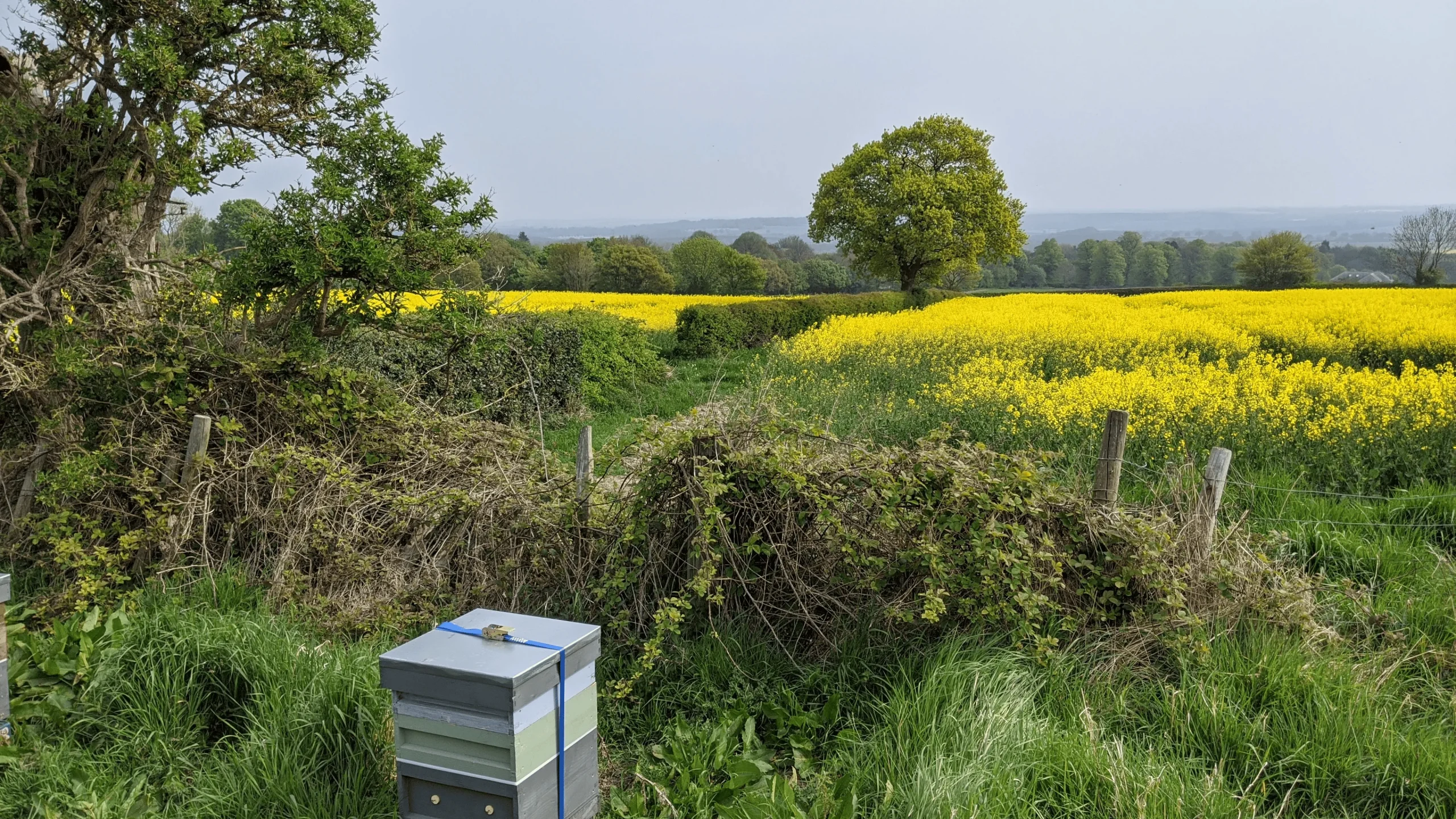
Fenland and the wider arable country grow a lot of oilseed rape and field beans, giving bees big flows in spring and early summer. Some farms in the region grow borage too, which gives a light, delicate honey.
Breckland and the Sandlings
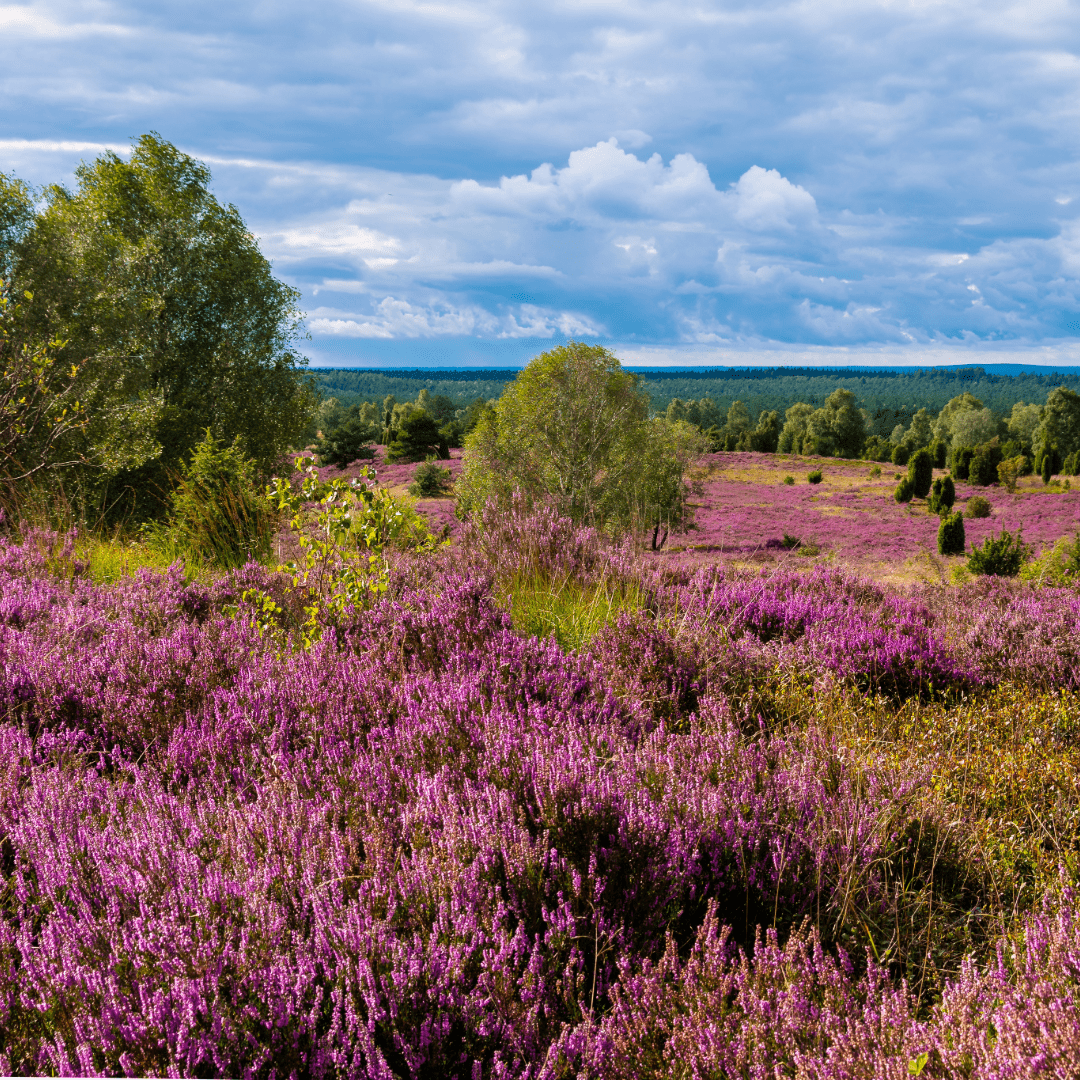
The sandy heaths of Breckland and the Suffolk Sandlings flower purple in August. Hives near the heather can produce a small crop of heather honey, a rarity this far south and east.
The Broads and river valleys
Wet meadows, fen and river banks bring willow in early spring, then summer wildflowers and, later on, Himalayan balsam along the waterways.
Coast and salt marsh
On the North Norfolk coast and the Essex estuaries, sea lavender flowers across the salt marshes in late summer. Bees work it happily, adding a coastal note to local honey.
Honey from the driest corner of Britain
East Anglia's warm, dry weather means bees can get going early, and a good oilseed rape year can fill a lot of jars. That spring honey is pale and mild, and it sets quickly into a smooth, creamy honey.
The flip side is summer. A long dry spell can dry up the nectar, so summer crops vary a lot from year to year. When the late summer does deliver, the heath and coast give East Anglian honey a character all of its own.
The East Anglian honey year
Most local beekeepers take honey off a couple of times a season, so what you can buy changes as the year goes on.
Spring honey
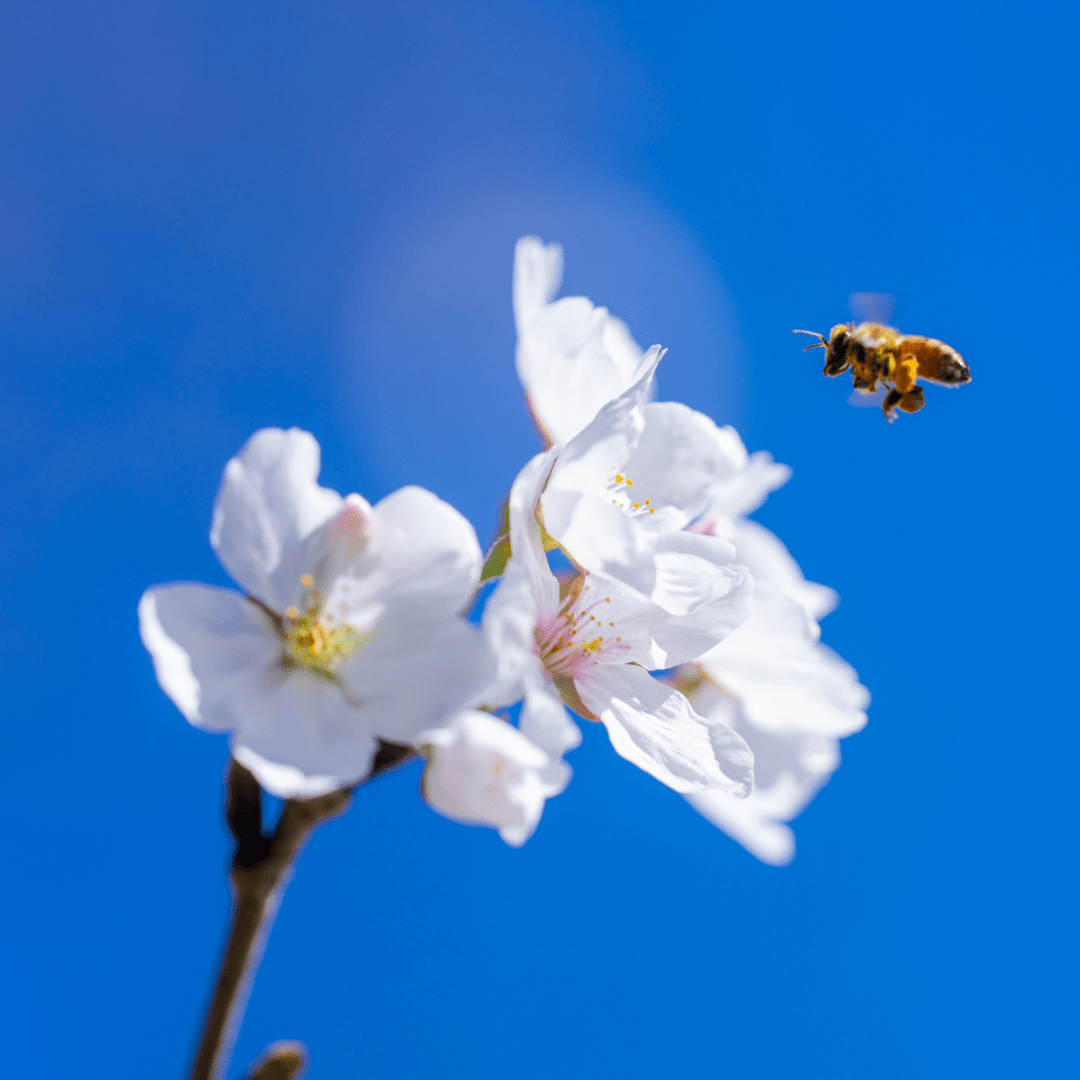
Oilseed rape, orchard blossom, hawthorn and willow. Usually sold soft set, as it crystallises quickly.
Summer honey
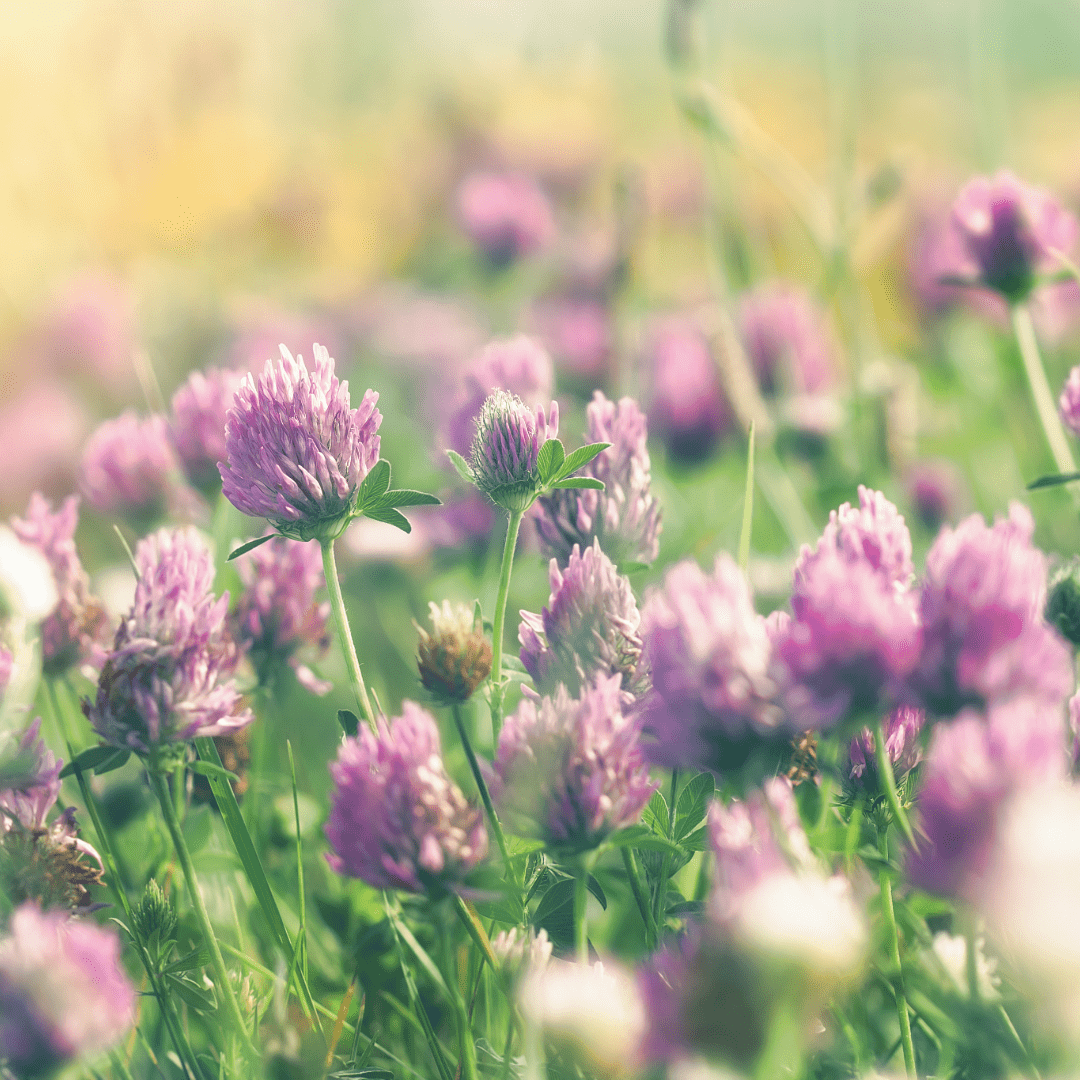
Field beans, clover, borage, lime and bramble. Golden and often runny, if the summer isn't too dry.
Heath and coast
Heather on the Brecks and Sandlings, and sea lavender on the salt marshes. Small, special crops.
Late season
Ivy, and not much else. Most beekeepers leave it for the bees to see them through winter.
East of England beekeepers on Local Honey UK
Every beekeeper here has made the Local Honey Promise. Get in touch with them before you travel, as local honey often sells out.

 Breckland heather
 Summer clover
Spring blossom
Summer clover
Spring blossom
Getting the real thing in East Anglia
Plenty of honey in shops is labelled with a local-sounding name, and not all of it is. The surest bet is buying from the beekeeper, at farmers' markets, farm shops, honesty boxes at the farm gate, or at county shows, where beekeepers' associations often run a honey stall.
Local honey in East Anglia: common questions
Where can I buy local honey in East Anglia?
Buying straight from a beekeeper is the best way to know where your honey comes from. As well as the listings above, try farmers' markets, farm shops, honesty boxes and local shows.
Why has my local honey gone solid?
All real honey crystallises in time, and oilseed rape honey does it very quickly. It's natural, and a good sign the honey hasn't been heavily processed. Stand the jar in warm water to make it runny again.
Can you get heather honey in East Anglia?
Yes, in small amounts. The heaths of Breckland and the Suffolk Sandlings flower in August, and hives nearby can make heather honey. Ask early in the autumn.
Does local honey help with hay fever?
Plenty of people swear by it, but there isn't strong evidence that it works. Most hay fever is caused by wind-blown grass and tree pollen, not the flowers bees visit. Speak to a pharmacist or GP about hay fever, and buy honey because it's delicious.
Keep bees in the East of England? Get listed
We're building the best place to find genuine local honey across East Anglia and the East of England, and we'd love you to be part of it. Listing is free. All we ask is that you make the Local Honey Promise.