
Local honey in Scotland
Heather-clad hills, soft fruit fields, glens and island machair. Buy local honey in Scotland straight from the beekeeper, and taste what a short, wild northern summer can produce.
From the Highlands to the Borders
Scottish beekeepers work with a shorter season than their southern neighbours, and the weather has the final say. What they lose in quantity, they often make up for in character.
Hill and moor
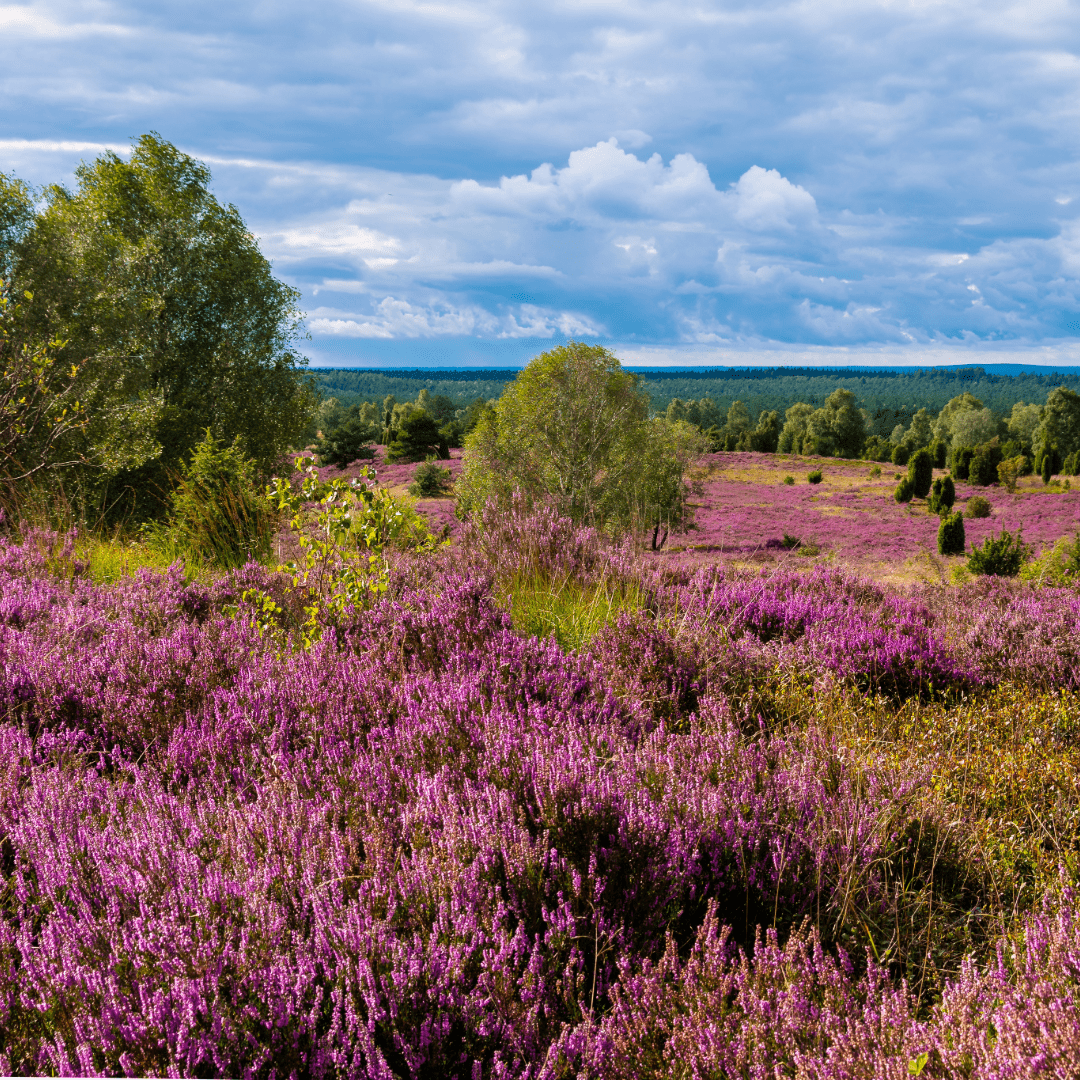
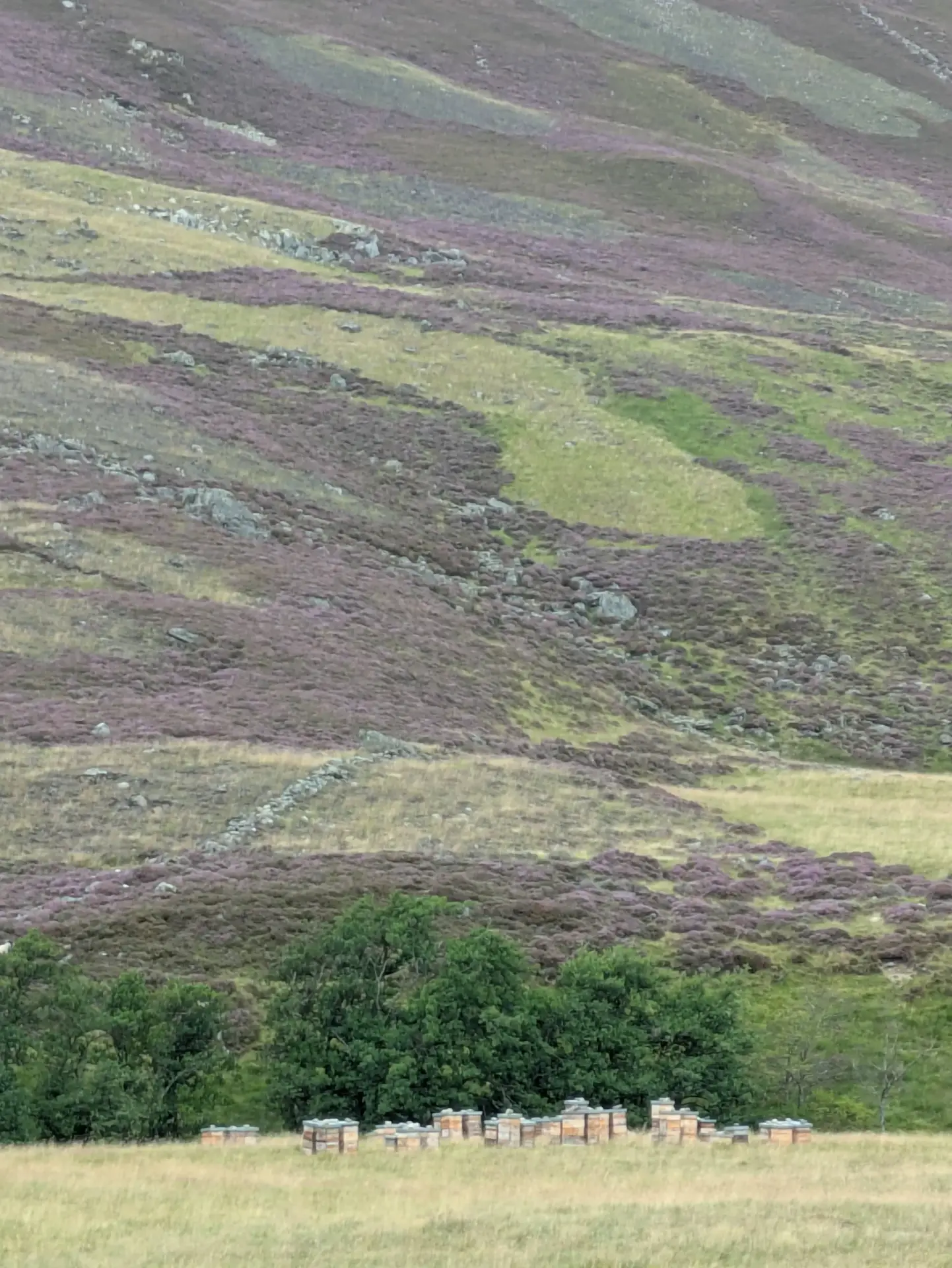
Much of Scotland turns purple in late summer. Beekeepers move hives up to the heather in August, and the result is some of the most prized honey in Britain.
East coast farmland
From Moray and Aberdeenshire down through Fife, the Lothians and the Borders, oilseed rape gives an early crop. In Perthshire and Angus, the soft fruit fields add raspberry blossom to the mix.
Glens, lochs and woodland
Sheltered valleys offer sycamore, lime, clover and bramble through the summer, with rosebay willowherb on cleared ground later on. Bell heather flowers on the drier slopes in July.
Coast and islands
The machair of the Western Isles blooms with wildflowers in summer. Beekeeping on the islands is small scale, and Colonsay is protected by law as a haven for the native dark honey bee.
Scottish heather honey
There are really two heather honeys. Bell heather flowers first, in July, and gives a dark, reddish honey that pours like any other. Ling heather follows in August, and its honey is famously thick and jelly-like, with a strong aroma. It won't spin out of the comb, so it's pressed or sold as cut comb.
Both depend entirely on the weather. A cold, wet August on the hills can mean almost no crop, which is why good Scottish heather honey costs more and rarely lasts long once it's jarred.
The Scottish honey year
The season starts later and ends sooner than further south, and it's shaped as much by the weather as the flowers.
Spring honey
Oilseed rape, sycamore, hawthorn and blossom. Often sold soft set, as it crystallises quickly.
Summer honey
Clover, raspberry, lime and bramble, then bell heather towards the end of July.
Ling heather
The hill crop, for beekeepers who take their bees up. The one everyone waits for.
Season's end
Willowherb and the last of the heather. Then the bees settle in for a long northern winter.
Scottish beekeepers on Local Honey UK
Every beekeeper here has made the Local Honey Promise. Get in touch with them before you travel, as local honey often sells out.
 Hill heather
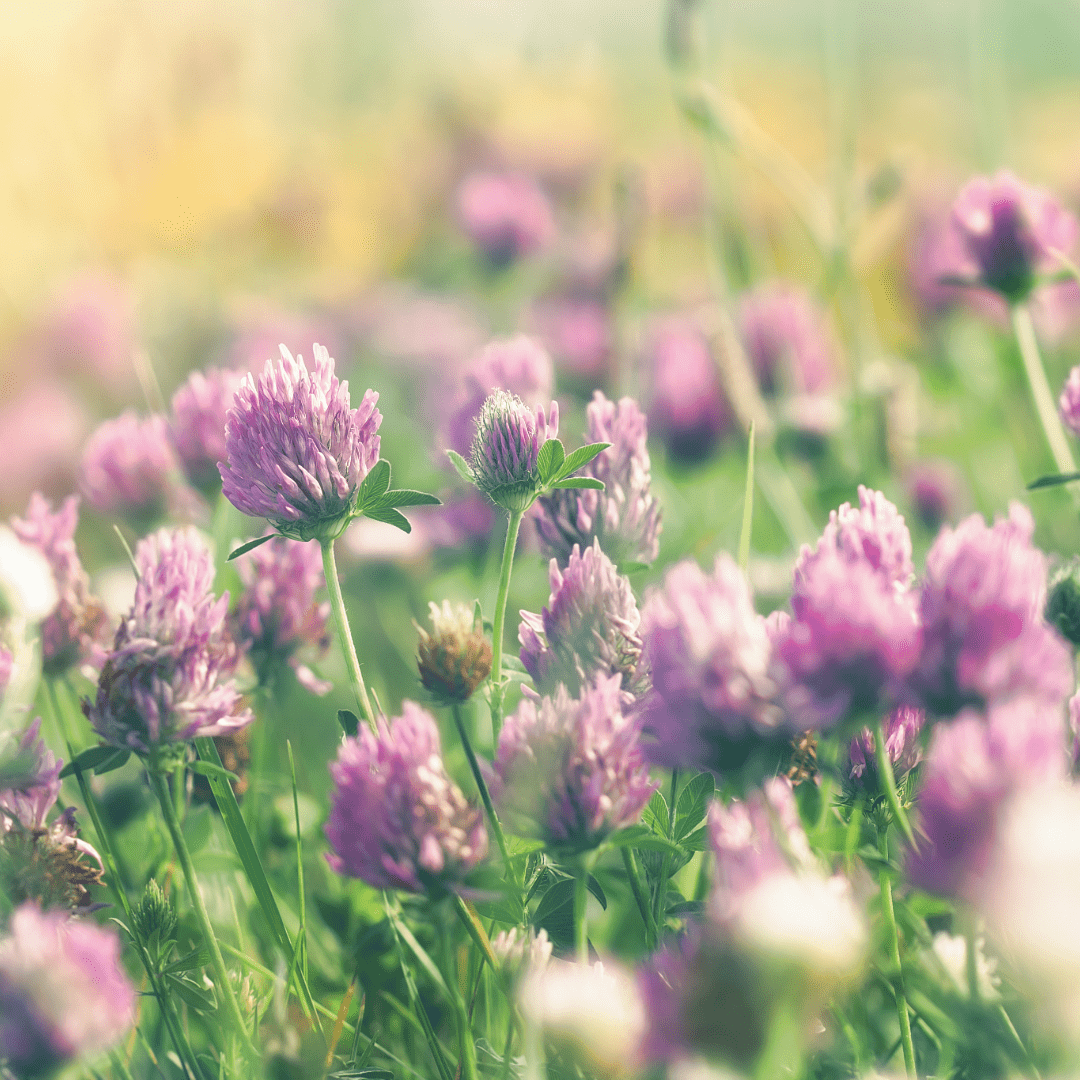 Summer clover
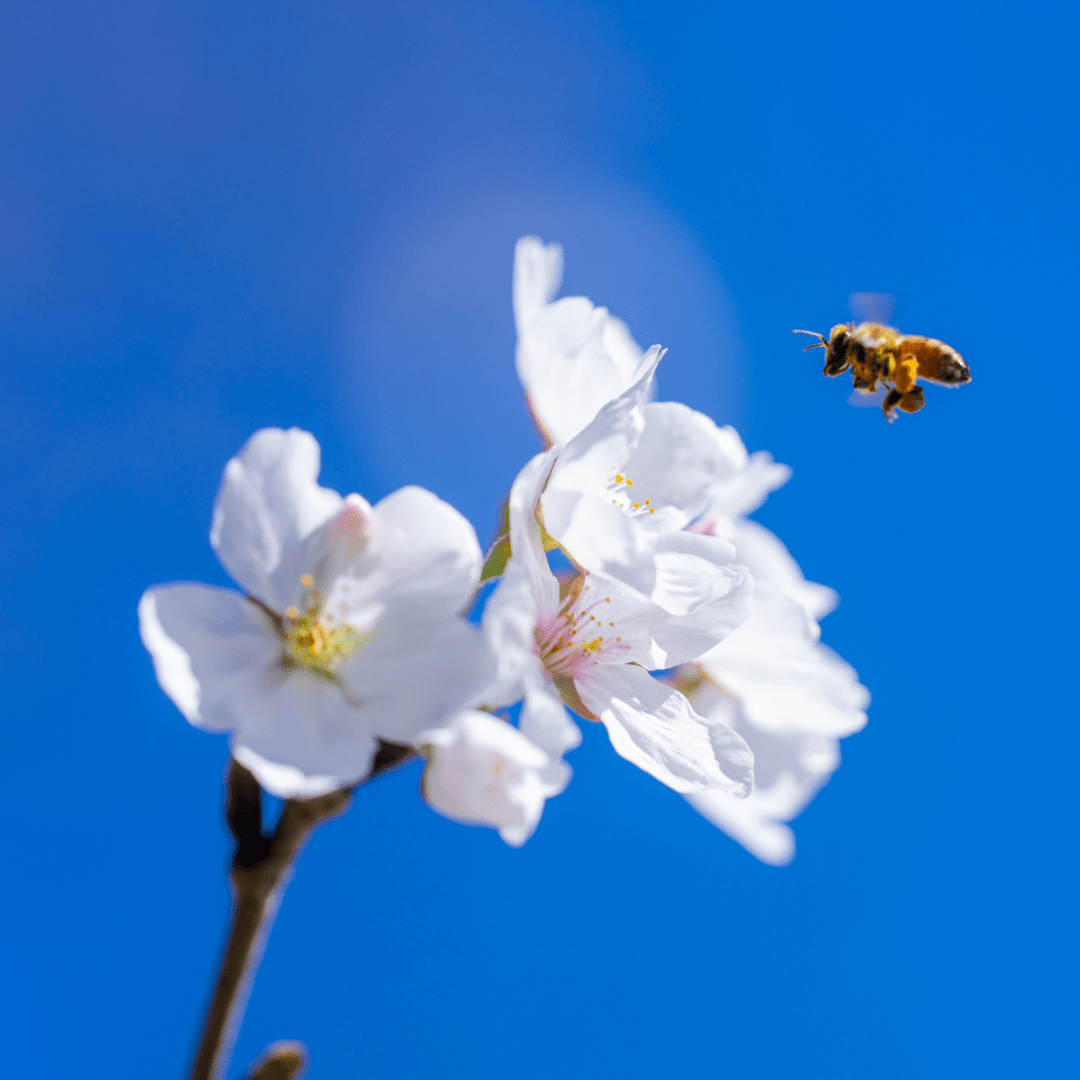 Spring blossom
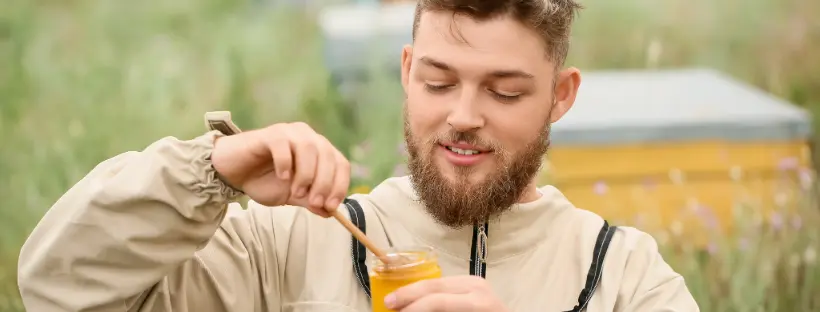
Getting the real thing in Scotland
"Scottish heather honey" on a label isn't always as local as it sounds. The surest bet is buying from the beekeeper, at farmers' markets, farm shops, honesty stands by the roadside, or at agricultural shows, where beekeepers' associations often run a honey stall.
Local honey in Scotland: common questions
Where can I buy local honey in Scotland?
Buying straight from a beekeeper is the best way to know where your honey comes from. As well as the listings above, try farmers' markets, farm shops, honesty stands and local shows.
What's the difference between ling and bell heather honey?
Bell heather flowers in July and gives a dark, reddish honey that pours normally. Ling flowers in August and gives a thick, jelly-like honey that has to be pressed from the comb.
When is Scottish heather honey available?
It's usually jarred from September. The crop is small and depends on the summer weather, so it often sells out before Christmas.
Does local honey help with hay fever?
Plenty of people swear by it, but there isn't strong evidence that it works. Most hay fever is caused by wind-blown grass and tree pollen, not the flowers bees visit. Speak to a pharmacist or GP about hay fever, and buy honey because it's delicious.
Keep bees in Scotland? Get listed
We're building the best place to find genuine Scottish honey, and we'd love you to be part of it. Listing is free. All we ask is that you make the Local Honey Promise.